Feedback - Nighttime Noise in Ōtautahi: Have Your Say
Proposed Plan Change 21 (PC21) is a proposal to change rules around noise in Christchurch’s central city. It proposes to allow louder night-time noise in some areas. Newzician supports the Proposed Plan Change and has submitted in favour of it. Sam Elliott explains why you should too.
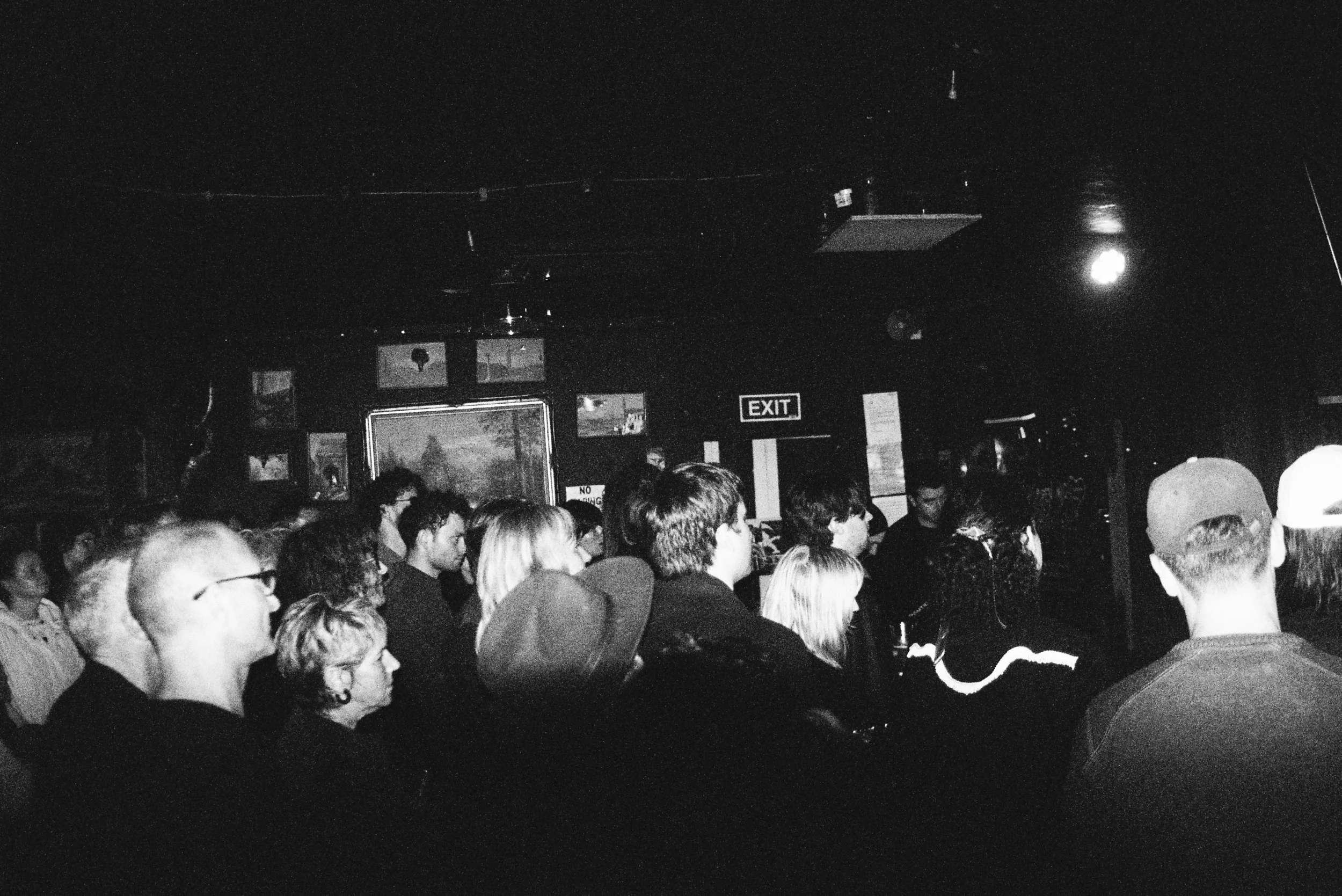
The crowd at Darkroom for Soft Plastics’ May 2023 show.
Photo: Flynn Robson
The last fifteen years has been a period of unprecedented change for the Ōtautahi cityscape. The loss of homes, buildings, and business irreversibly changed how people live and interact with their communities in our second-largest city. Music venues were lost too, with venues like Al’s Bar, The Bedford, Goodbye Blue Monday, the Dux De Lux, and The Media Club never reopening their doors after the February 2011 quake. The city, and its music infrastructure, would never again be the same.
For many in Christchurch a feeling of resilience bubbled away. Amongst the grief for the city as it was, a determination formed to build back better. Today, Christchurch stands triumphant. A city once on its knees has rebuilt brick by brick. Tūranga, Parakiore, Riverside Market, and Te Kaha amongst other cornerstone projects symbolise a revitalised city working for its residents. Another, perhaps less famous, triumph of the Christchurch rebuild is the revitalisation of our live music venues. One of which, standing a mere three hundred metres from the newly minted Te Kaha stadium, is Darkroom.
In September of 2019 my band, Jam Henderson, played our first ever gig. It was at Darkroom, a somewhat unconventional decision considering we were Dunedin-based. We’d emailed, provided a link to our SoundCloud, and been given the date with no further questions asked. On the morning of the gig our drummer drove around North Dunedin, gradually piling us and our gear into his Nissan Pulsar. We drove to Christchurch with bags on our laps and the back window completely obscured by guitar cases. At this stage, we had sold eight tickets. This didn’t deter us. In fact, the stakes were incredibly low. There were couches to sleep on that night and we were only up for the $150 sound tech fee for the evening. We sold a couple more tickets on the door. It’s possible we broke even on our petrol. I can’t remember.
What’s important about this is that venues like Darkroom, like Space Academy across the road, and like the other venues within the proposed boundary impacted by PC21 are essential to our local music ecosystem. These are the venues that give acts somewhere to play their first shows and to find their feet as artists, that give out-of-town and international acts somewhere to play on tour. Every Christchurch-based musician I know, and almost every musician I know based elsewhere, has played at a venue implicated in PC21. These venues are the cornerstones of the city’s live original music scene, they bring art and vibrancy to us, and at a time when they’re already threatened by changing market conditions securing their long-term viability is more important than ever. I wrote about some of these in Issue 2 of Newzician, and many others have written about them since. Having workable rules in place is essential to the longevity of these businesses and centres of community.
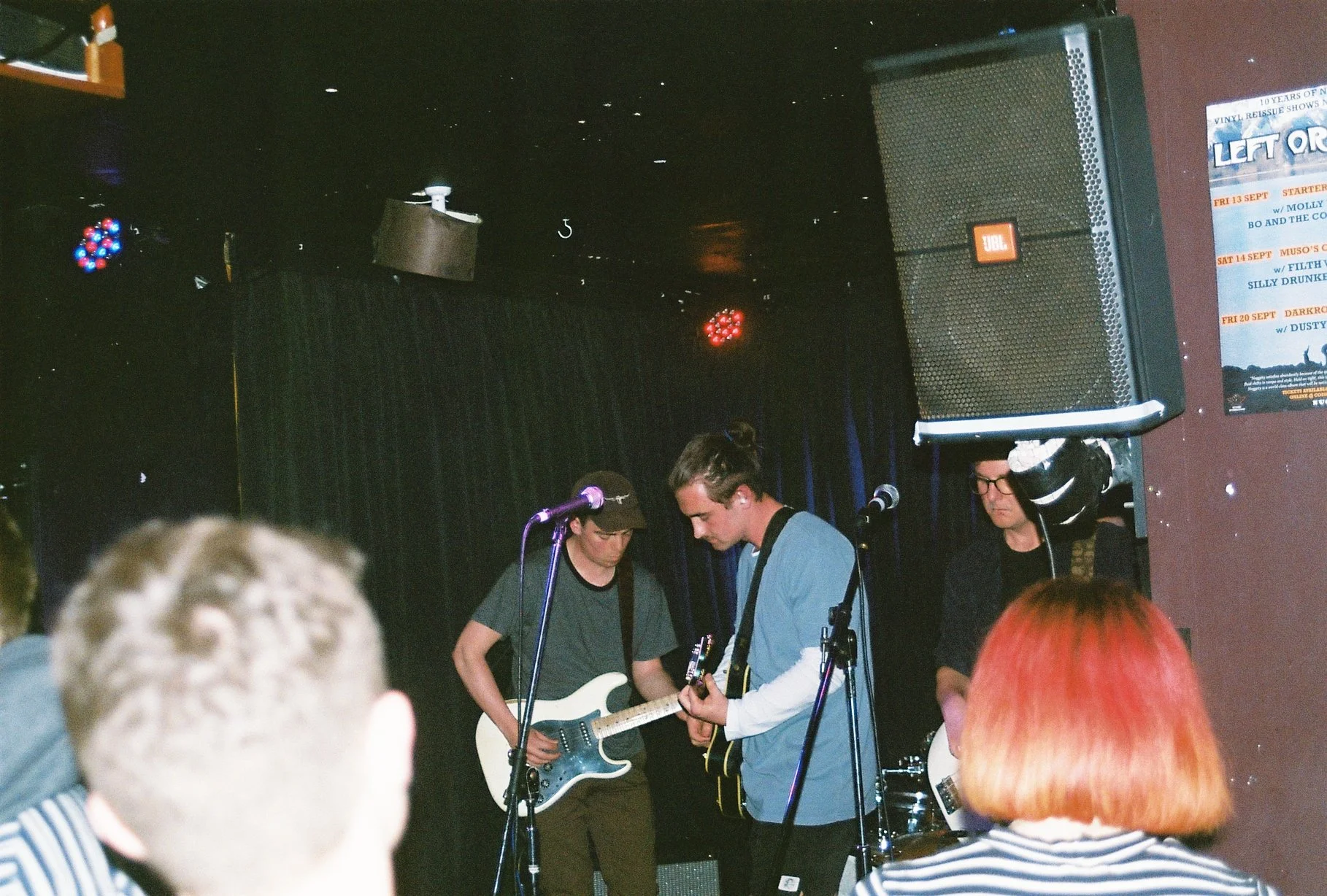
The first gig we ever played in September 2019. About a third of the people in the room are pictured.
Photo: Flynn Robson
But it’s not only original music venues we have to worry about. It’s not even just venues who host live music we need to worry about. This impacts other hospitality businesses and therefore the economy of our city. In 2022, a member of the public’s complaints about noise levels at Dux Central saw the bar put a halt to live music. Their Saturday night turnover immediately dropped about 12%. In real terms, this is fewer employment opportunities for hospitality workers, less work for musicians, and less choice punters have for entertainment. It’s a clear-cut example of what can happen when we don’t have workable noise restrictions; less art, lost economic opportunity, and a city that is worse off for it.
Noise is currently managed in the central city by dividing it into three categories. PC21 proposes to expand Categories 1 and 2, the highest noise-tolerance categories, to cover more of the city. To put it plainly; the proposed changes would give live music, hospitality, and entertainment businesses a more workable set of rules within which to operate. Currently, most of our venues operate outside of the allowable noise limits. But so does your electric toothbrush, and possibly your fridge. The restrictions as they stand are not workable, and this is a problem that we must get ahead of as the central city anticipates residential intensification.
Feather Shaw, co-owner of Darkroom and a leading voice in the Otautahi music community, as well as a vocal supporter of PC21, sat down with me at Tūranga, one of those aforementioned post-quake triumphs, to speak about how allowing venues within the Category 1 area to operate at 65dB (deicbels) would give them the security to keep moving forward.
“If PC21 is approved it will allow us to work within workable noise limits. We currently have to be 45dB. I’m talking to you at about 65dB right now. It’s not just that we’re non-compliant as a music venue, everybody is non-compliant. This cafe we’re in now is technically non-compliant,” explains Feather. The technically non-complaint cafe we were at was in fact inside a library, a place where excessive noise is typically discouraged.
“If it doesn’t go through we’re at very real risk of shutting down.”
Noise complaints have serious potential trading ramifications for these small venues too.
“We risk gigs having to wrap up right in the thick of it. We get a complaint, are issued an excessive noise notice and are told we have to keep it down for 72 hours. For us, who generally open Thursday, Friday and Saturday, that can be an entire week of operations gone.”
As well as risking a week’s operations, there are risks these noise complaints have to the long-term operation of a venue. Feather says that “every time we get a noise complaint it comes through the noise control part of Council. Those noise complaints are passed onto the liquor licensing part of Council. They come across the desk at liquor licensing. They’re a mark against your name, even if they’re nothing to do with not upholding our responsibilities as liquor license holders. Next time you apply for your liquor licence it comes up that there are a bunch of complaints at this address.”
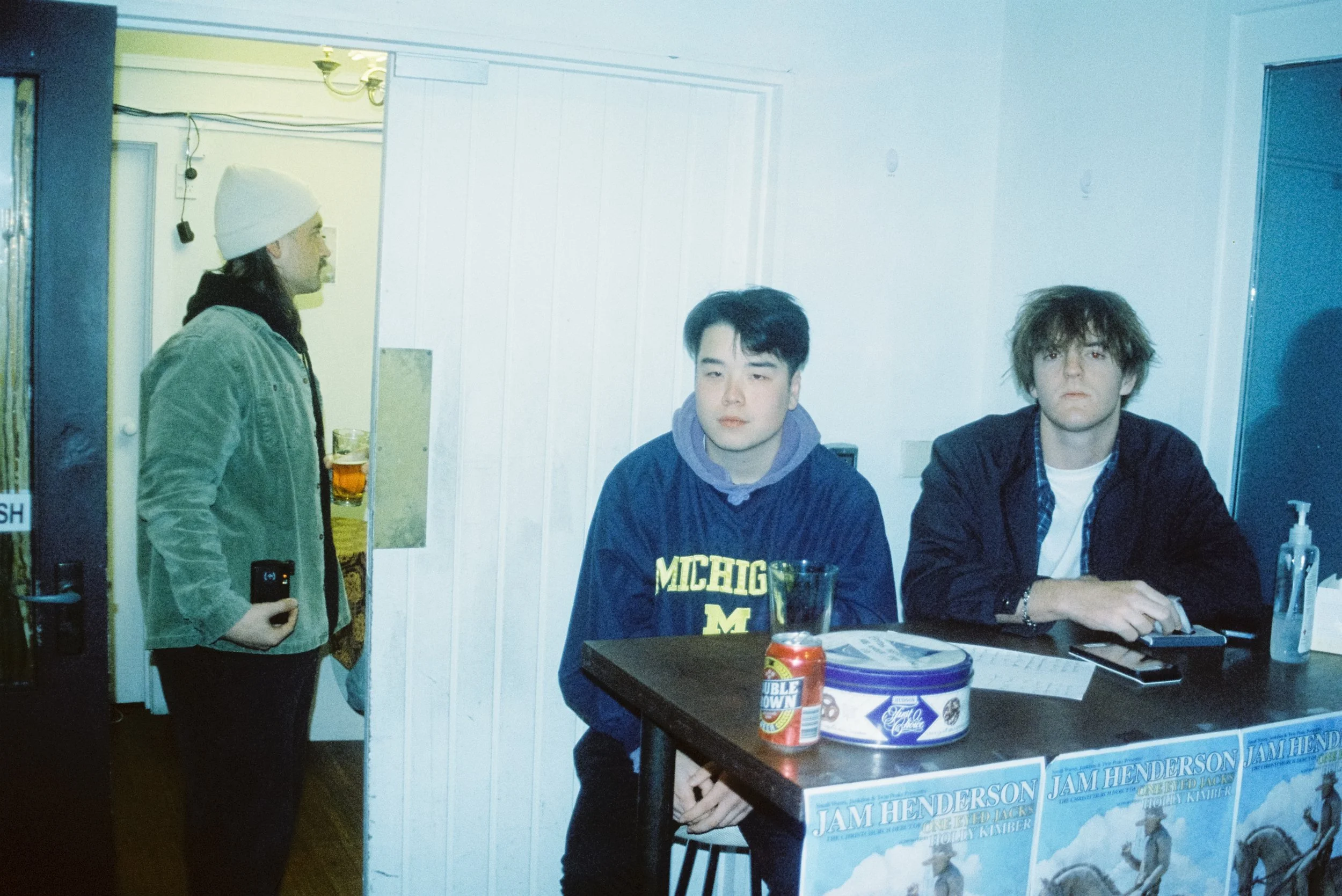
Another Jam Henderson gig at Darkroom, this one had better attendance.
Photo: Flynn Robson
Not only is PC21 an opportunity to improve the long term viability of music and entertainment venues in Christchurch, it’s also a chance to improve conditions for those who live in the new housing that’s built in the central city. As it stands, many houses are built without mechanical ventilation (i.e. a whole-house ducted system designed to circulate and exchange air - think HRV or DVS.) This means on hot nights residents, whether they be owner-occupiers, tenants, or short-term accommodation guests, open windows in an attempt to keep cool. Reviews of nearby properties used for short-term accommodation show many guests found them uncomfortable.
“Almost the biggest win of all would be that PC21 would make mechanical ventilation required in new residential builds in these higher noise areas,” says Feather. “There are complaints about noise from nearby venues, but there are also lots of complaints about temperature and how uncomfortable the upper floors of those houses are. Lots about how there is a heat pump on the ground floor but nothing on the third floor where the bedrooms are. It would make it more comfortable for residents as well.”
More development in the central city isn’t a bad thing at all. Good cities should be mixed use areas. It makes sense that people want to live in the city and make the most of what it has to offer, but residential building, infrastructure, and policy needs to support this in a way that maintains what makes cities not just liveable, but vibrant. Feather is keen to stress that housing itself isn’t the problem.
“With a workable set of rules that everyone is aware of there’s no reason that live music venues, other entertainment and hospitality venues with music, and residential housing can’t exist together.”
We seem to hear every week about a venue in strife, or shutting down completely. PC21 is an opportunity to make one of the many plates venue operators have to spin a heck of a lot more stable. In a landscape where venues are reviewing their finance models to combat changes in punter preferences, a cost-of-living crisis, and ever-increasing costs of inputs, PC21 being approved as it is currently notified would give venues and other hospitality businesses a more secure noise framework, and give us a better shot at keeping our music communities alive.
Many in our community have already submitted in support of PC21, including Feather and us at Newzician. You can make a submission in support of the proposed changes in PC21 to the council via their website, and you don’t have to live in Christchurch to do so.
Submissions can be made here:
https://makeasubmission.ccc.govt.nz/pc21---central-city-noise/PwEAAA
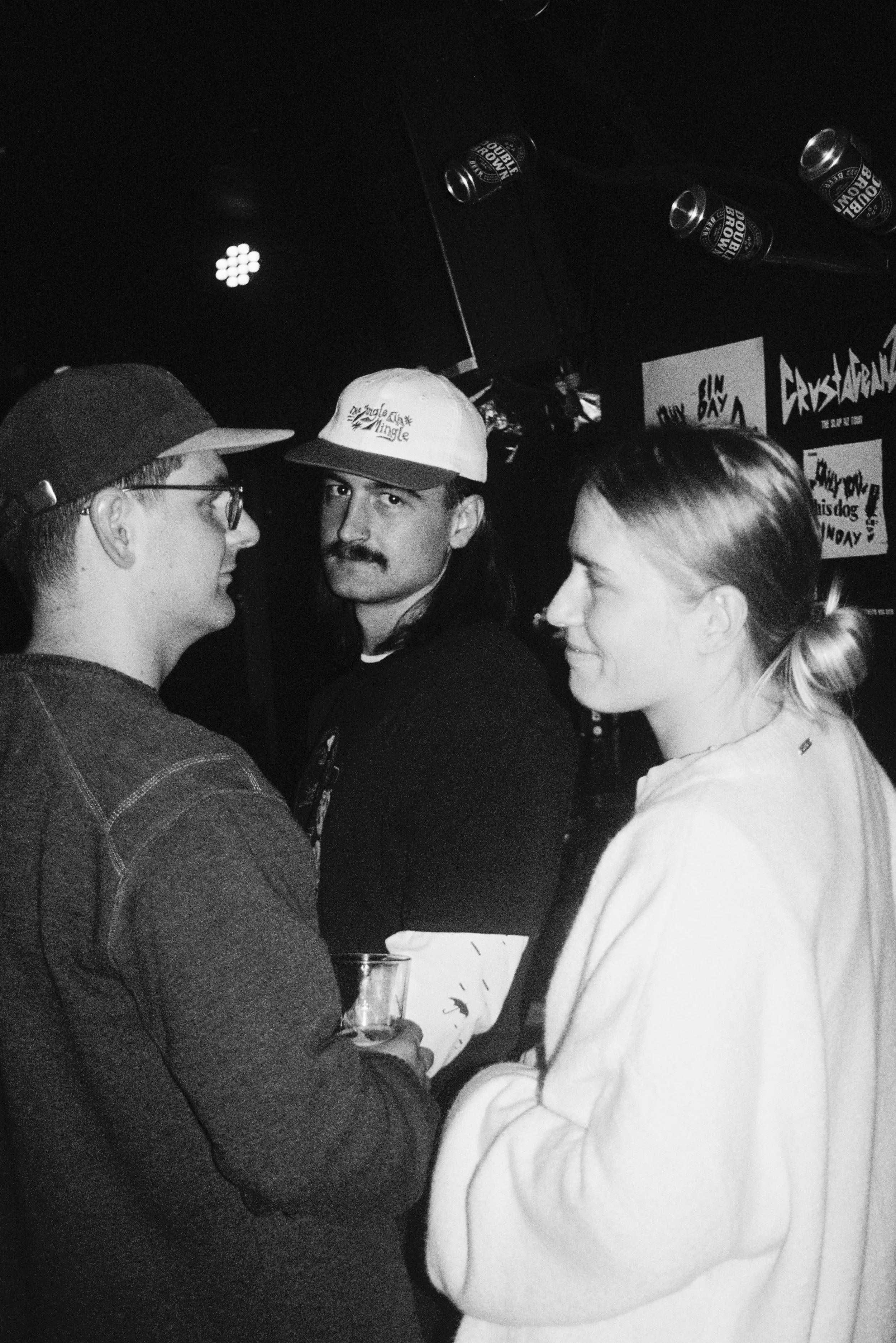
Me & friends at Darkroom under dangling Double Browns.
Photo, once again, from Flynn Robson.