
Rock The Vote (enrol to vote!)
YOU ONLY HAVE FOUR DAYS TO ENROL TO VOTE AND SHOULD PROBABLY GET ON TO IT IF YOU HAVEN’T ALREADY!
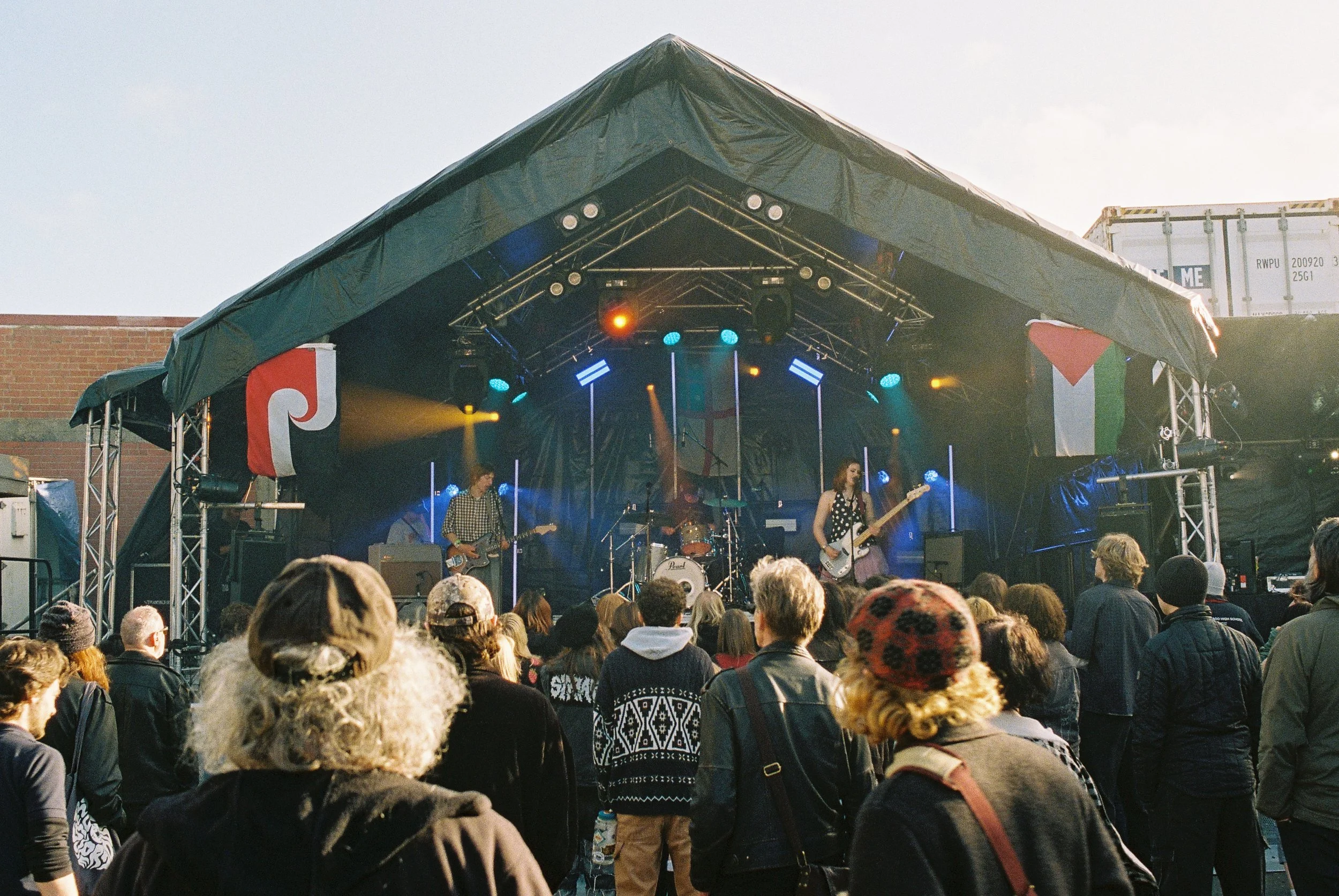
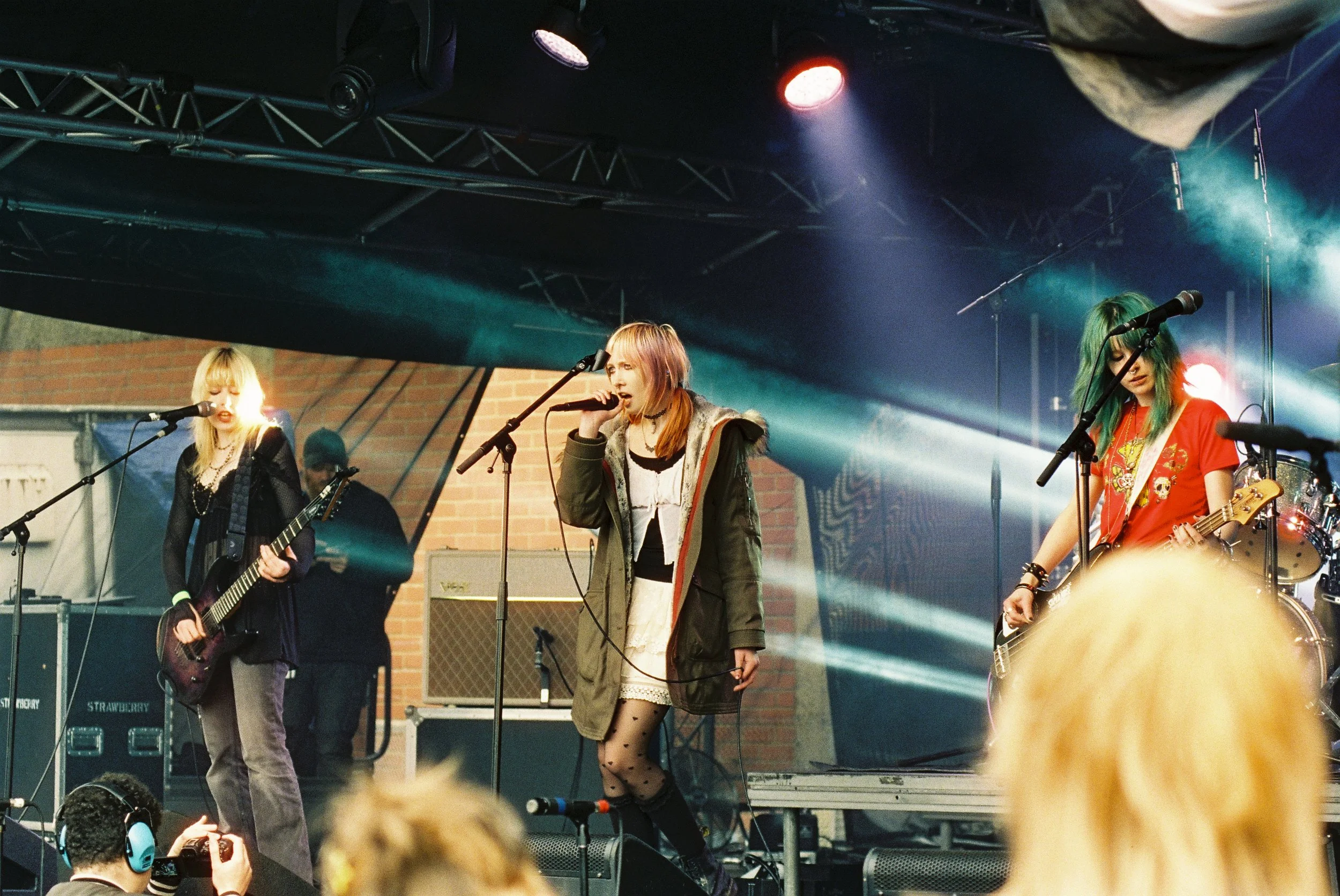
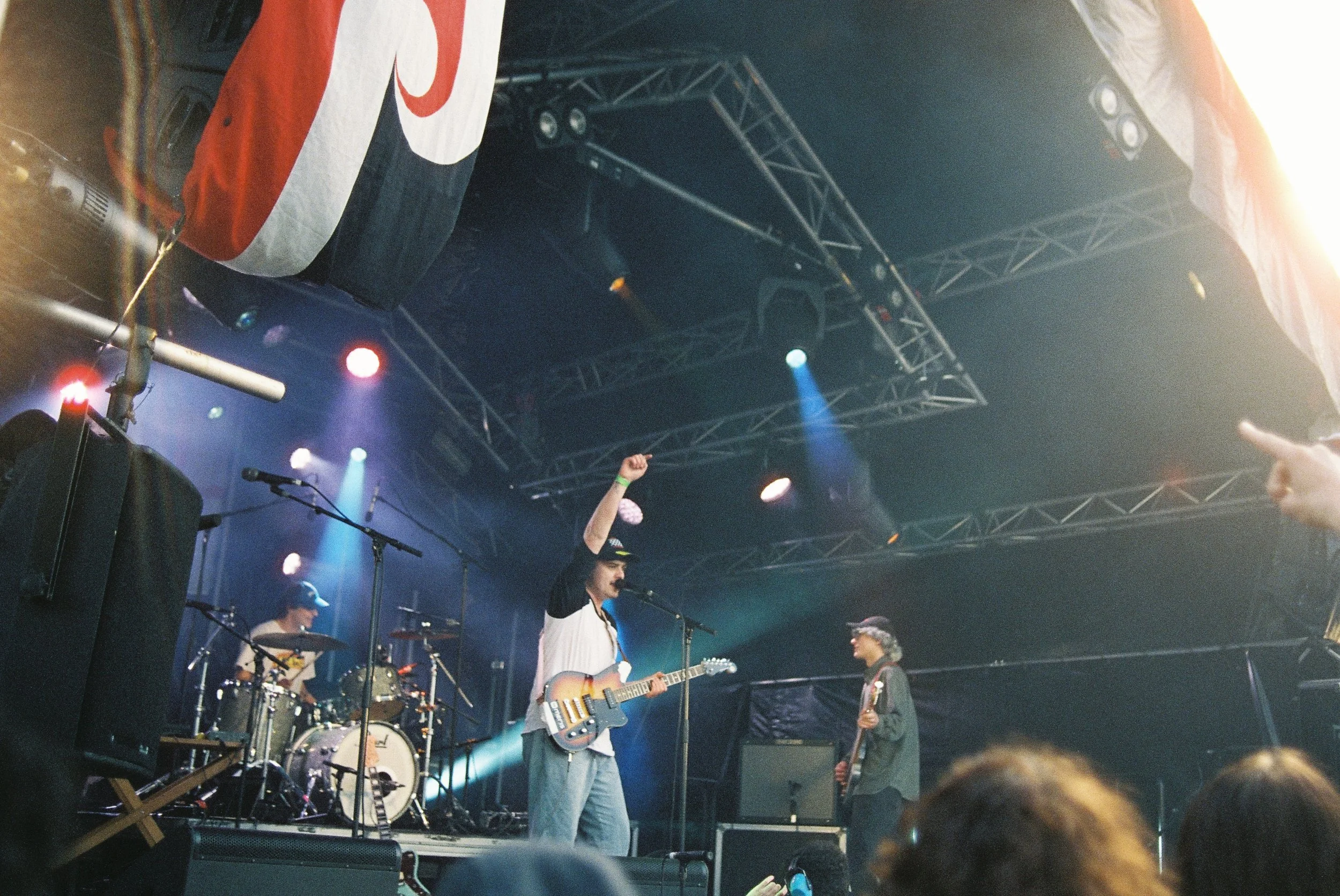
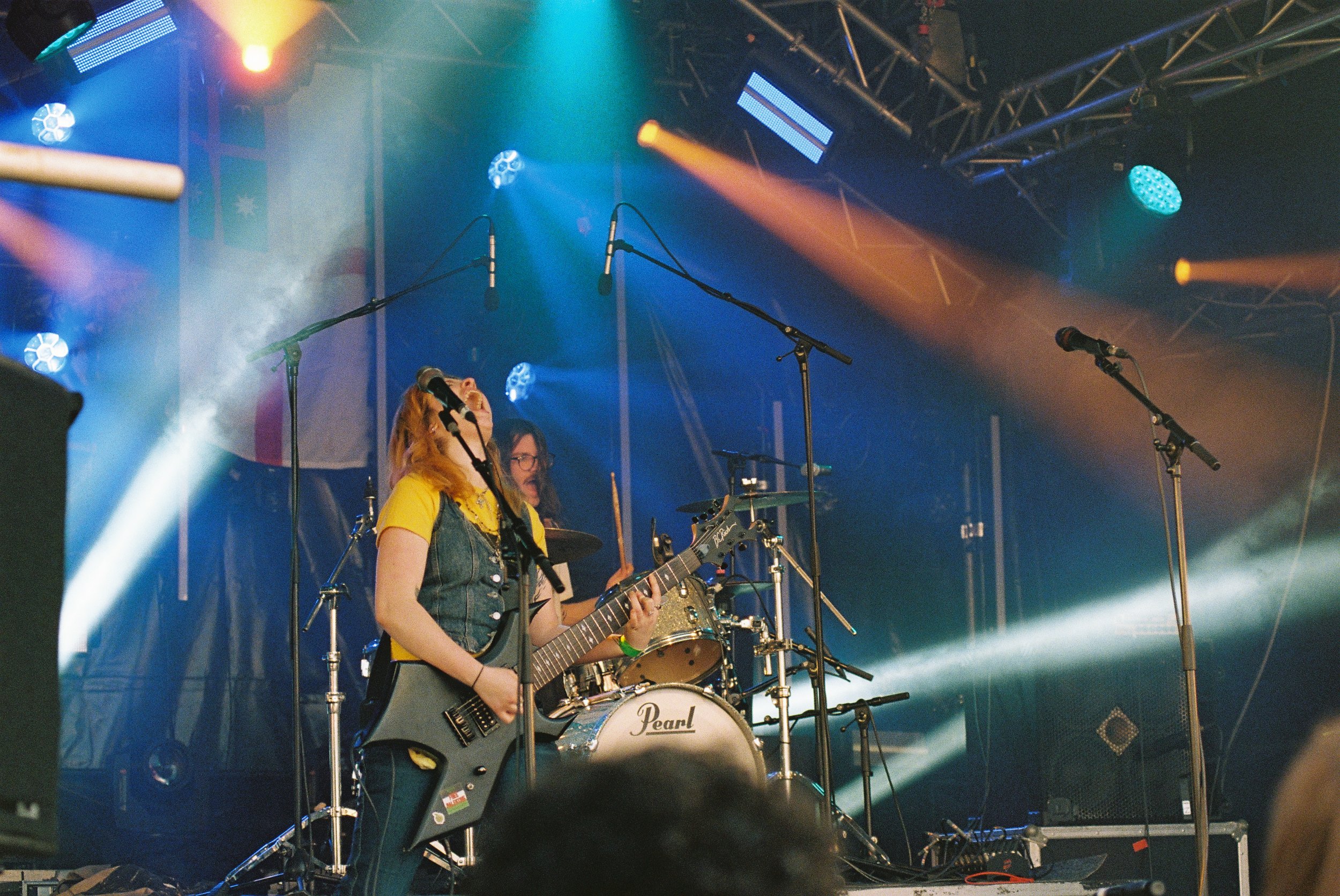
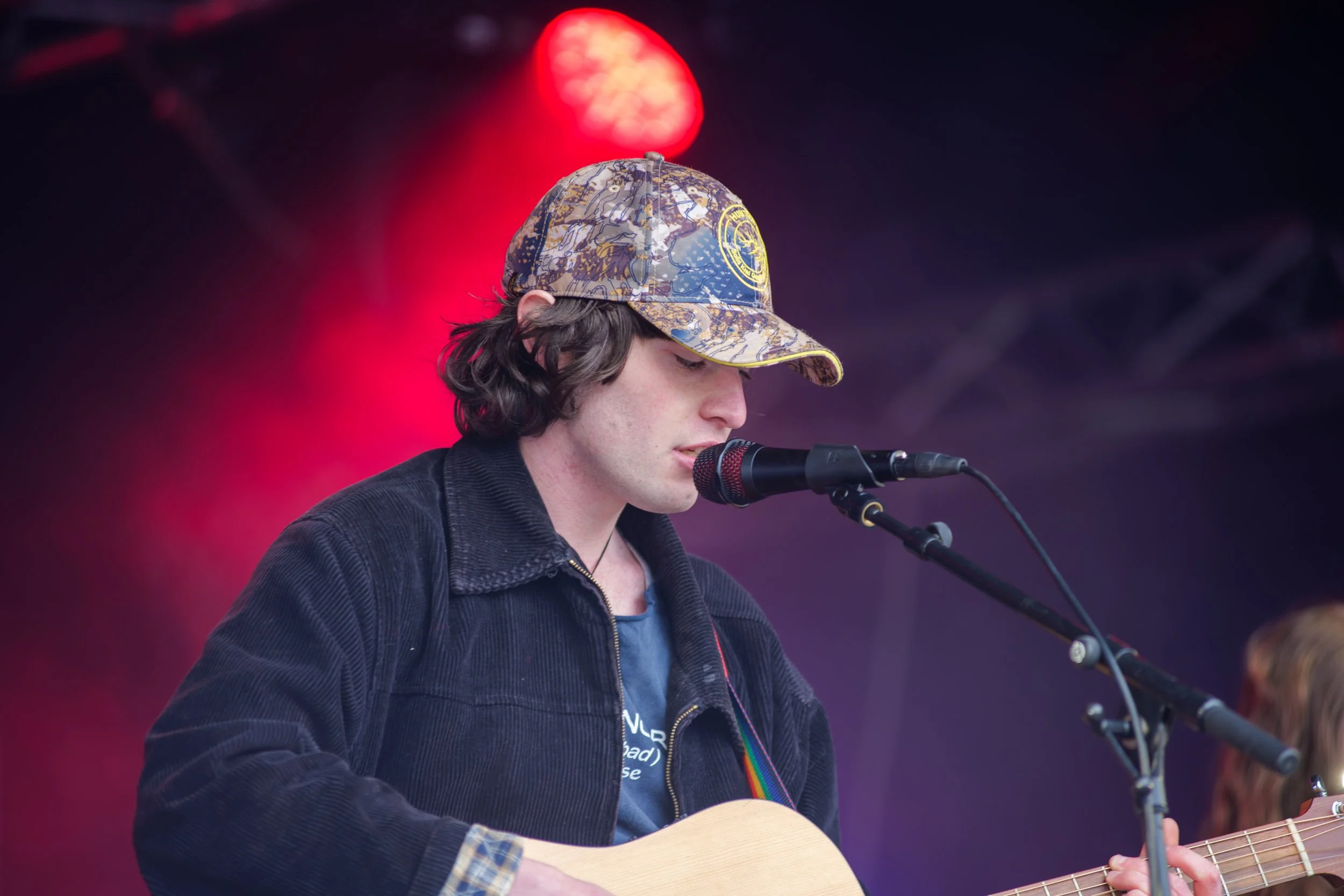
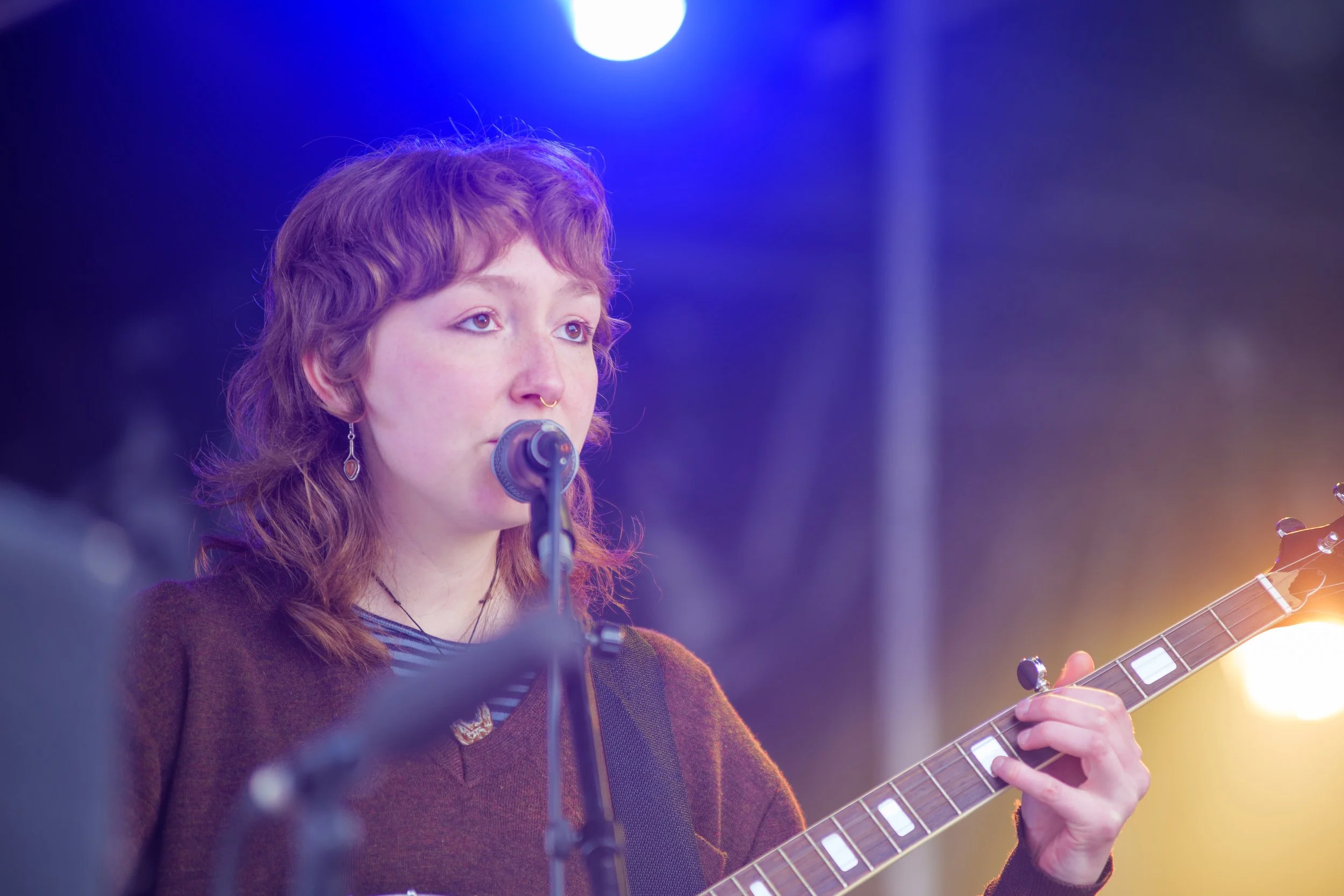
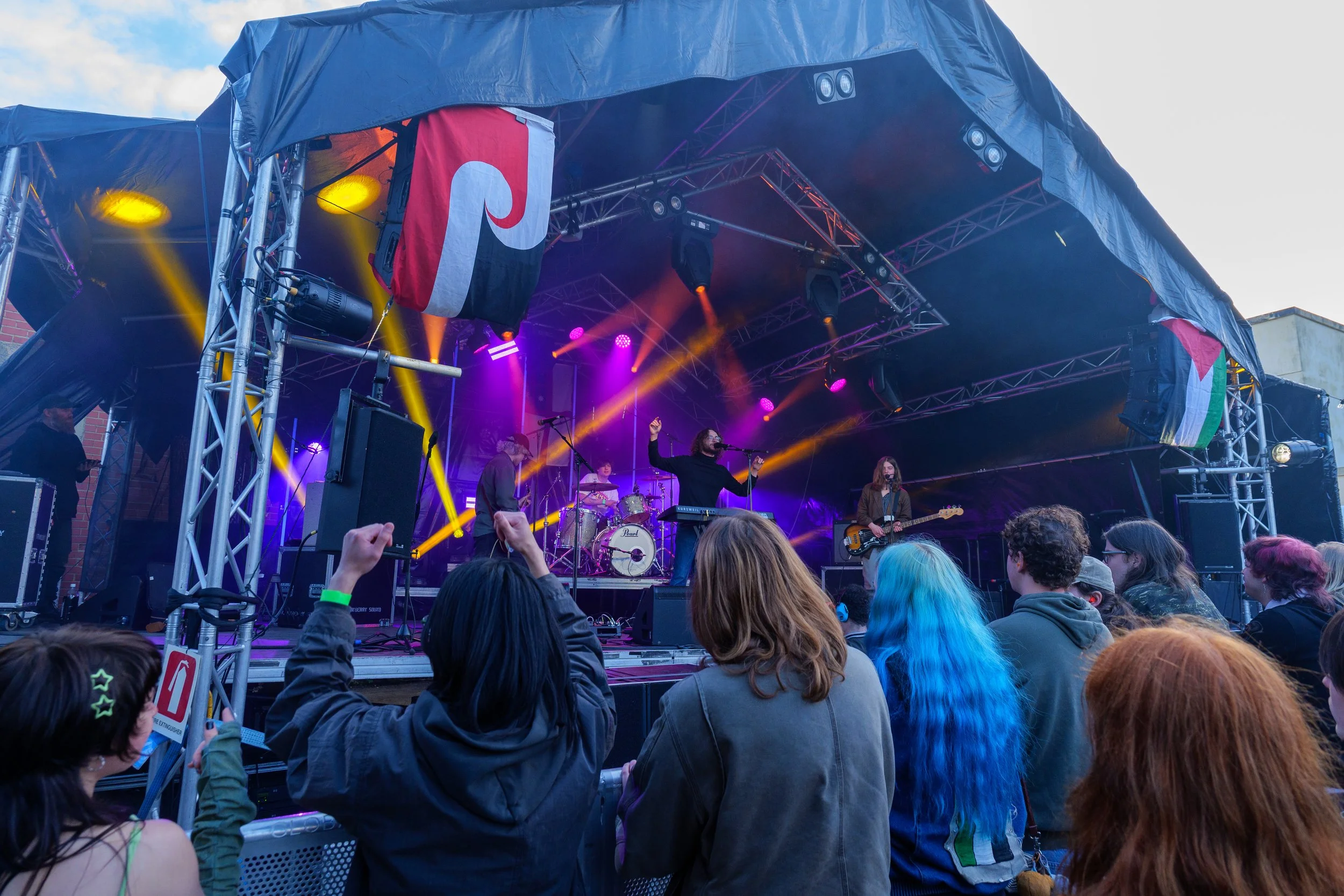
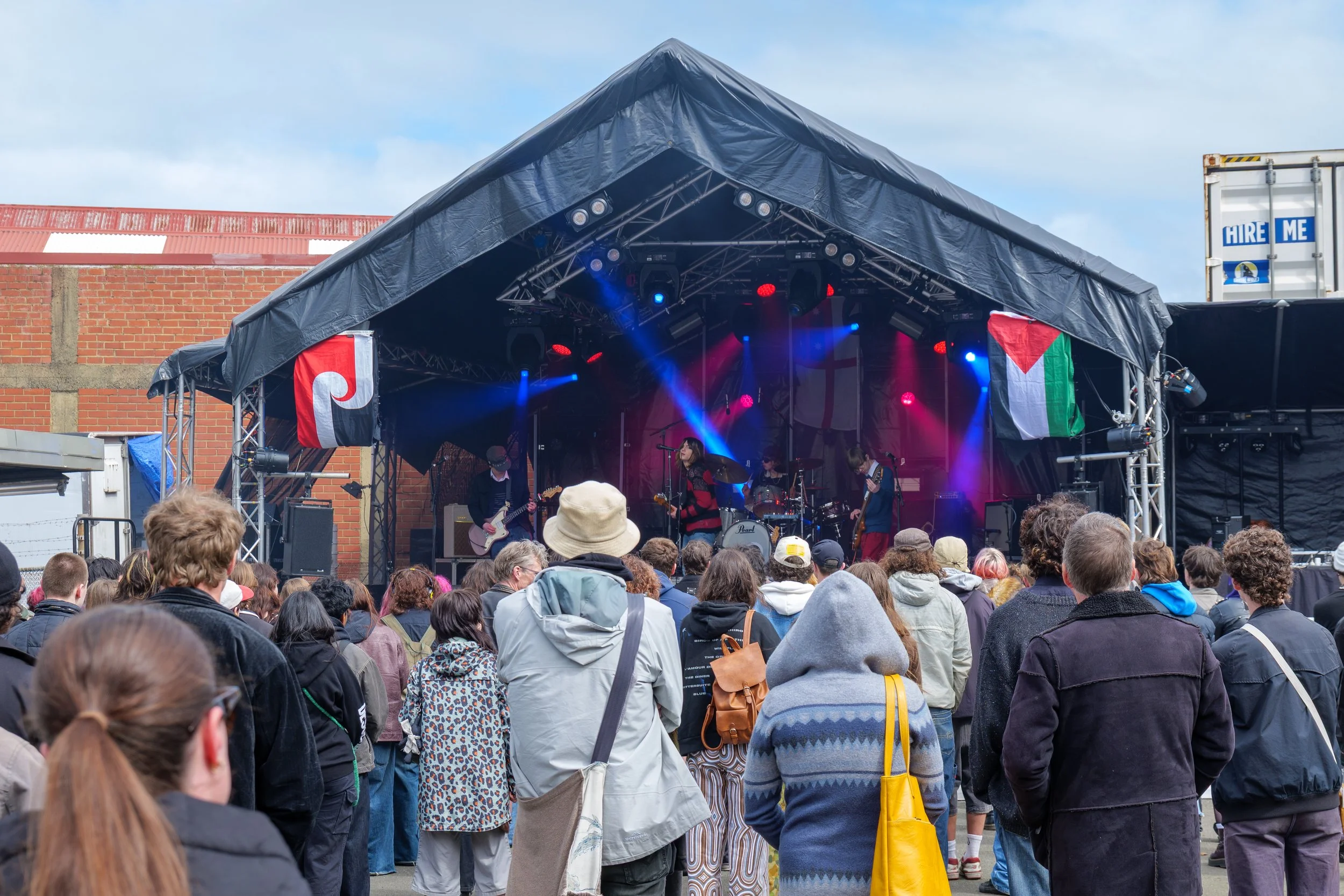
On any regular Saturday if you were to head down Dunedin's industrial area you might expect to hear a few trucks rolling through, maybe a bit of movement at the port. Though if you were down that way on October 3rd what you would’ve heard is a selection of 15 of the finest up and coming bands and musicians that Ōtepoti has to offer. Rock The Vote was an all-ages gig organised by Natasha Griffiths of DUN Records alongside the incredibly generous support of Southern Lights which provided the venue, stage, sound system and crew to run it all. This event, aimed at raising youth enrolment, featured Bunchy’s Big Score, Coward, Deaf Racoon, Dolly Possum, Grace Gemmell, Motheaten, Rheumy, Seek Help!, Sivle Talk, Sogg, Strap, Talking Furniture, The Pink Opaque, U-No Juno and Vagina Dry, as well as a selection of DJ’s in between sets.
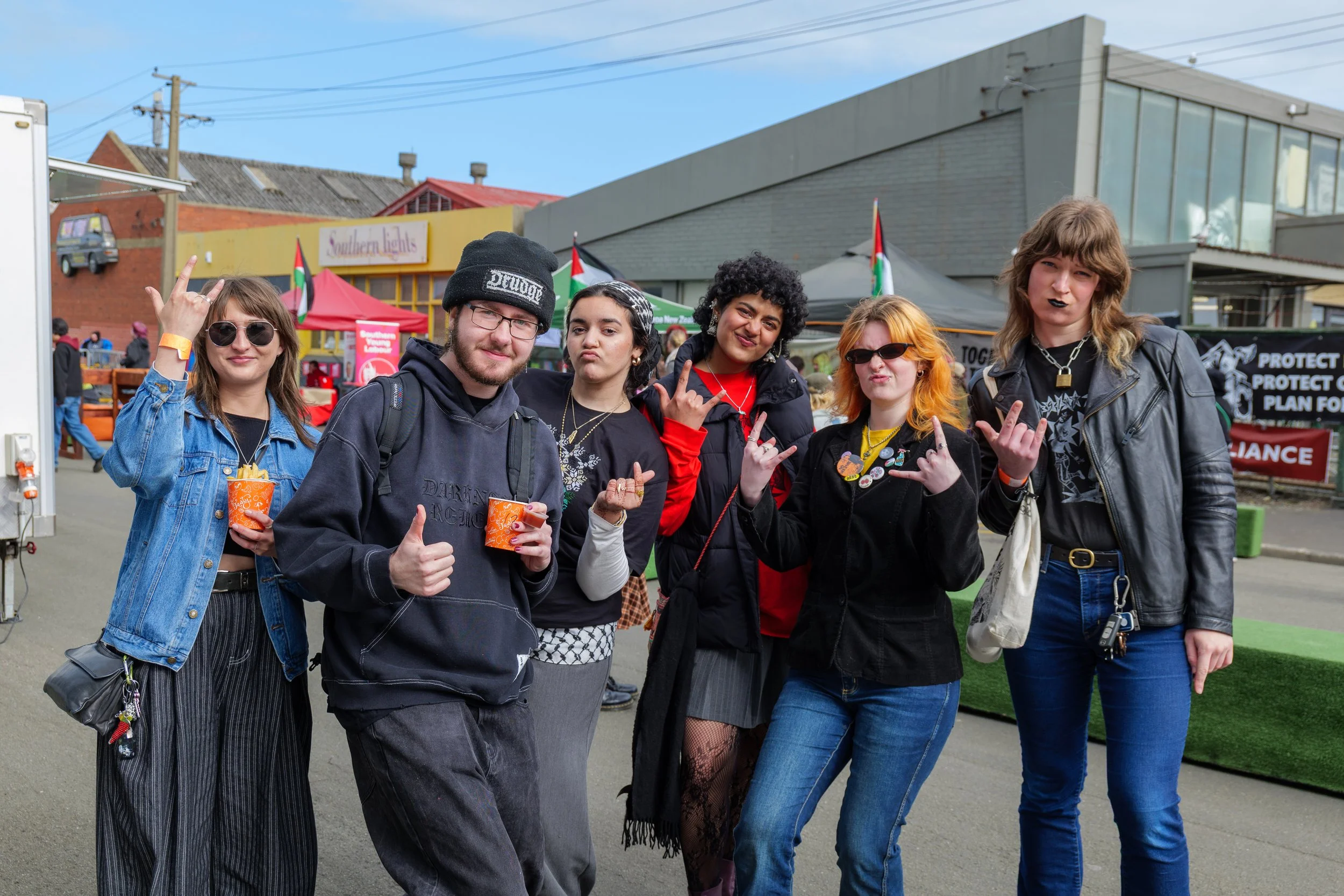
The event started at 12pm and went through to the respectable hour of 8pm. Upon entry a cheery group of volunteers ensuring you were enrolled to vote greeted you before you carried on to the main section of a closed off Devon St where food trucks and political stalls lined the periphery. Taking a right into the yard of Southern Lights you enter the main festival area with a generously sized stage and ample room for polite rocking out and general alcohol free crowd fun. I’d been invited over message by Natasha to check out the green room to talk to the bands between sets, but I decided that the real story was out here in the sea of box-dye and leather. I also had no idea where the green room was nor what Natasha actually looked like so I couldn’t approach her for directions if I’d wanted to. So, like a political canvasser I started striking up conversation with anyone who would talk to me, to hear the word straight from the horse's mouth – the horse in this case being disenfranchised youth.
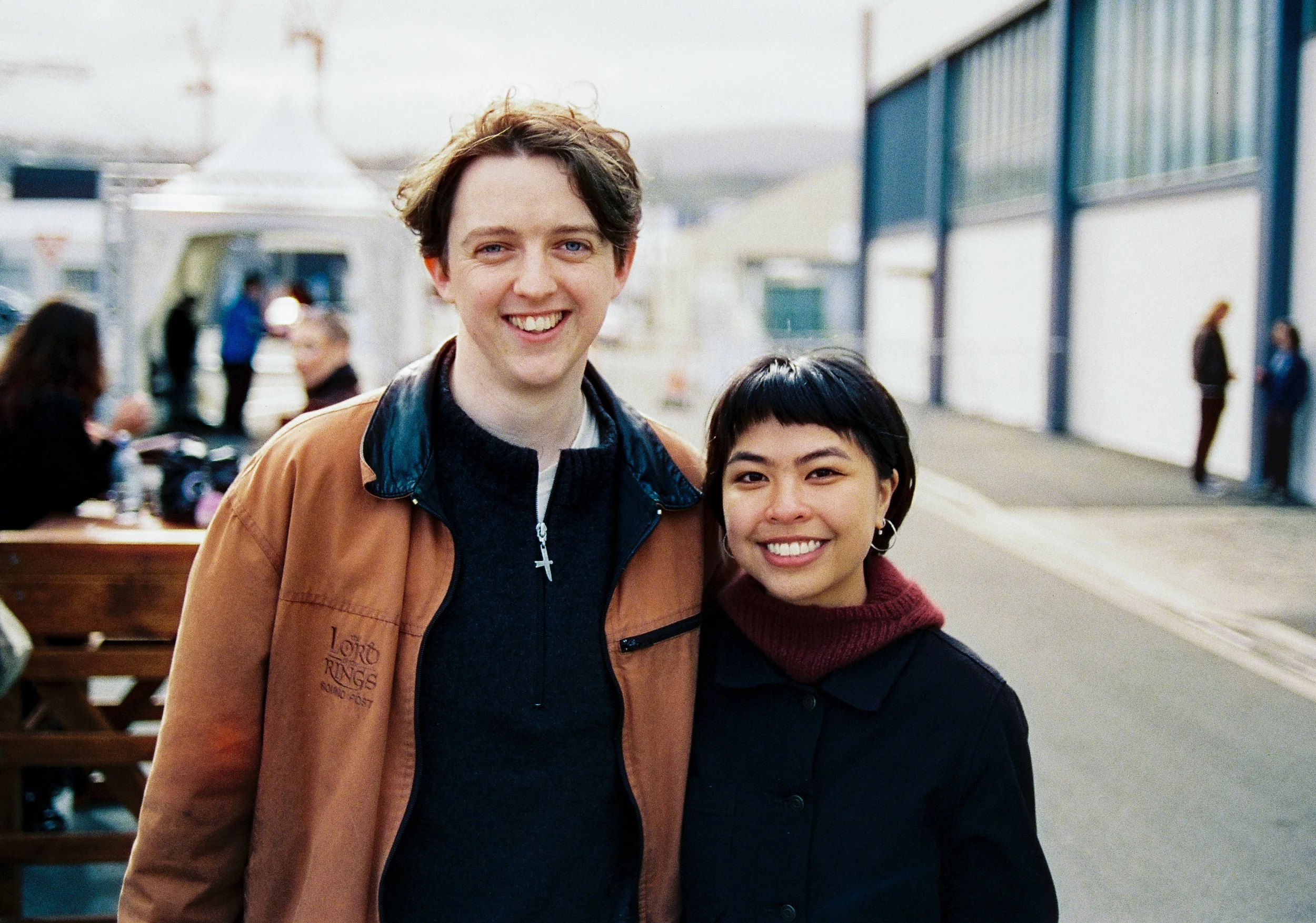
What’s the importance of all-ages gigs? I ask. Not just in this instance where there’s a specific driving force behind it, but generally? “Dunedin is a place that doesn’t have a lot of third spaces,” says Maackiyil, “especially when you’re in marginalized communities it’s a lot easier to feel lost, and it does really help to have community in tough times like this.” Lara, originally from South Africa adds that “New Zealand is way more individualistic than the culture I grew up in, so having something like this that actively grows community and makes people feel like they’re part of something, that they’re not alone, is going to make them feel more empowered and that what they say does matter. Individualism is great in many ways but it can be isolating.”
The fact that, up until fairly recently, Dunedin simply didn’t have that many all-ages events was also a point that came up a lot when talking to people (Sam Elliott’s ‘Beer Necessities: Alcohols Hold on Live Music’ from back in Issue Three does a great job covering why this could be). “I’ve been going to gigs since I was 18 and we didn’t really have many all ages gigs before that, so it’s really cool that people are introduced to a different scene, and different music, and finding people that are like-minded,” Alleanna says. Van, a very pragmatic and switched on young man, has this to say about the humble all-ages gig: “It almost just boils down to having somewhere to put people, if they’ve got nowhere to go they’re going to find ways to be obstructive. So having things that are open to everyone at a younger age is a really good way to integrate society and create a more diverse environment.”
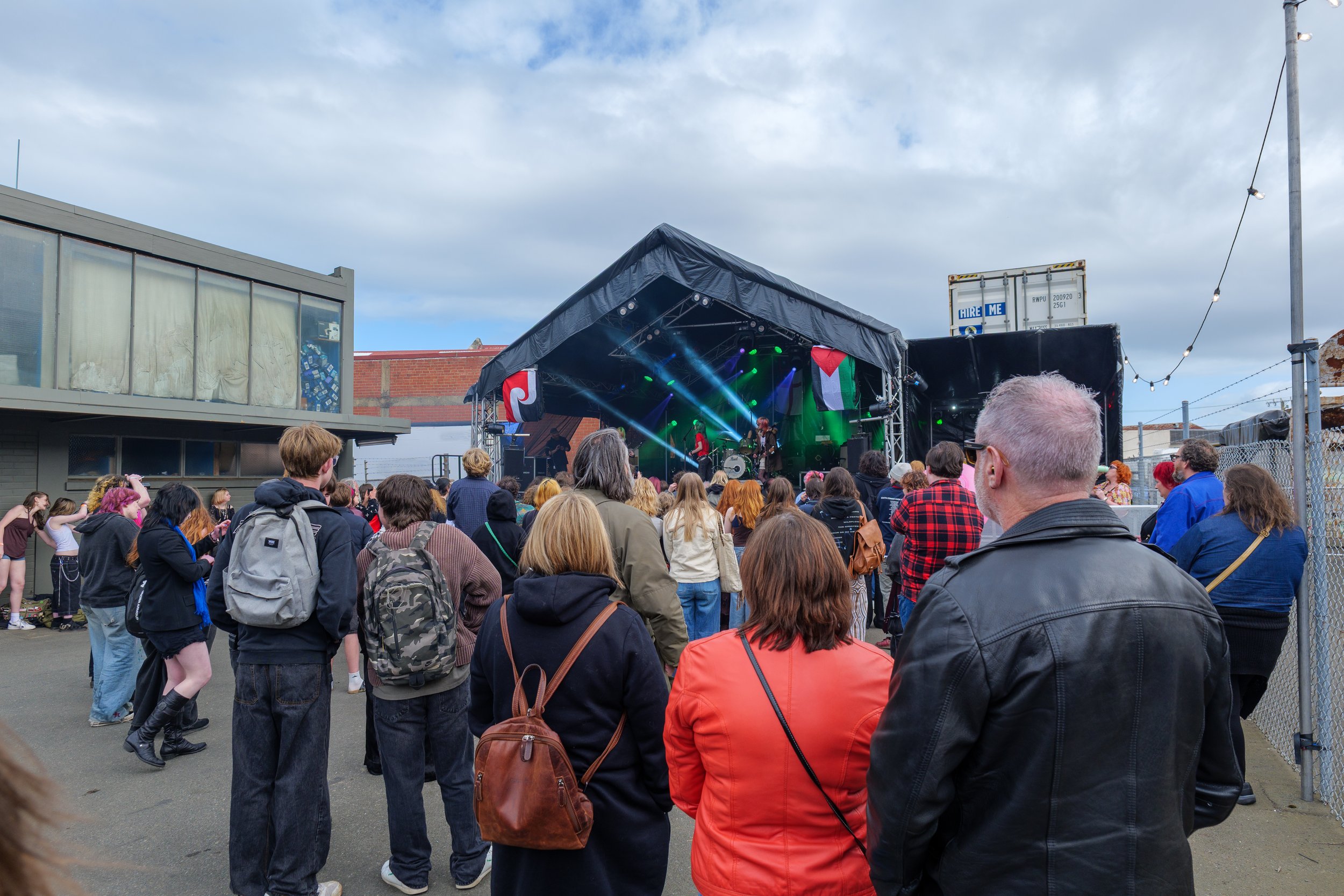
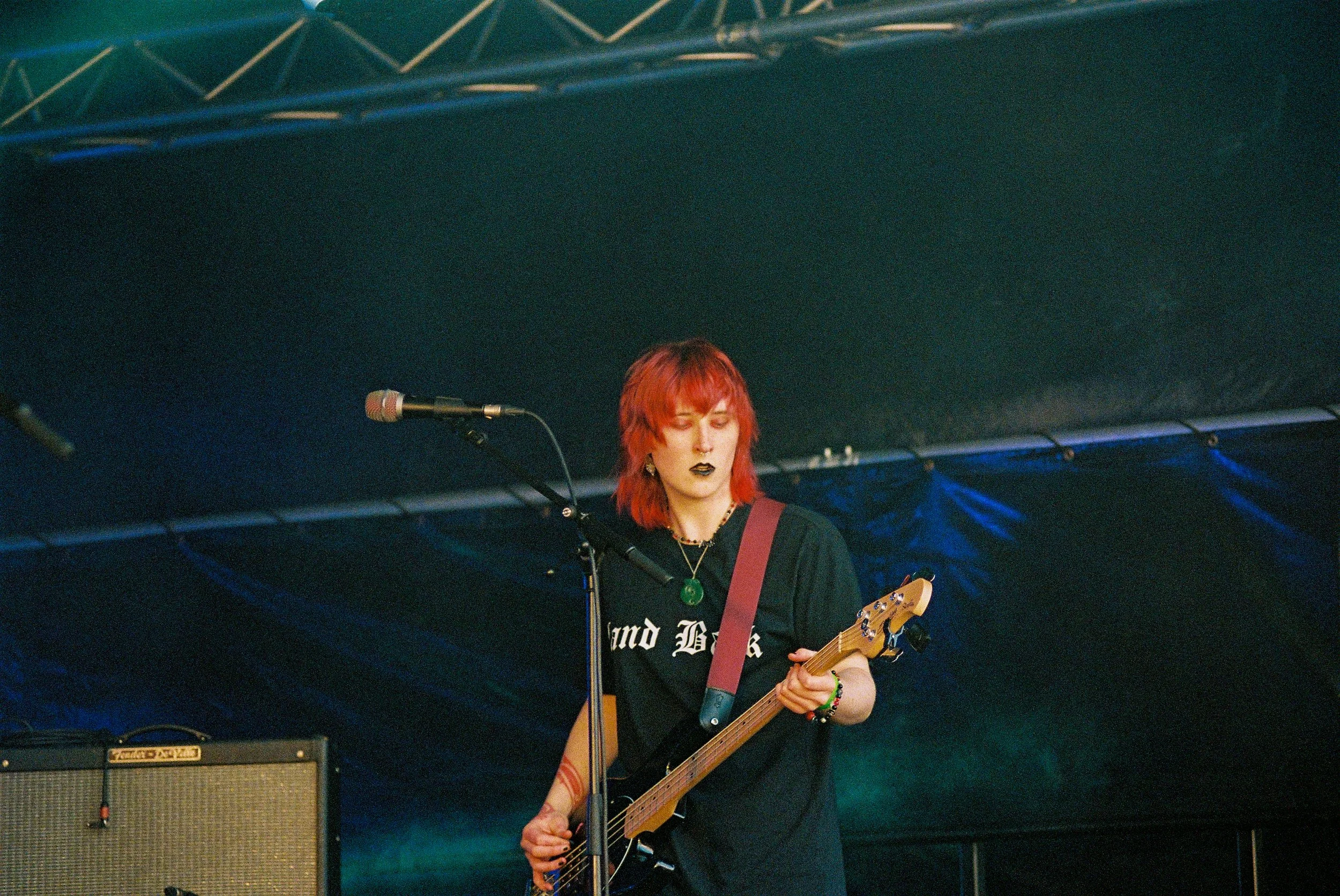
Now I could write the entire article on the specific bands and their sets but I feel like it’s no secret that the all-ages scene in Dunedin is punching well above its weight and has been rapidly gaining momentum over the last few years. Rock The Vote is just further proof of that. The sheer amount of talent floating around this scene and all the mahi that goes into it (often with little or no support from those that claim to champion the arts, and actually could make a difference…) truly drives home just how much a small group of passionate people can achieve. Across the board, this was an incredible event from top to tail. Despite how comparatively tame alcohol-free, all-ages crowds can be, there was some incredible crowdwork by Strap, and a few raucous sets by the likes of Seek Help!, Vagina Dry and Sivle Talk threatening to incite positive collective action. Bunchy’s Big Score, despite jamming so hard they blew up the generator (and the bathroom, so I’m told), got to bring Bunchy’s alumni Hamish Waddell up to the stage to finish their set with ‘Oscar Says’ and an all-time performance of Bad Company’s ‘Feel like Makin’ Love’.
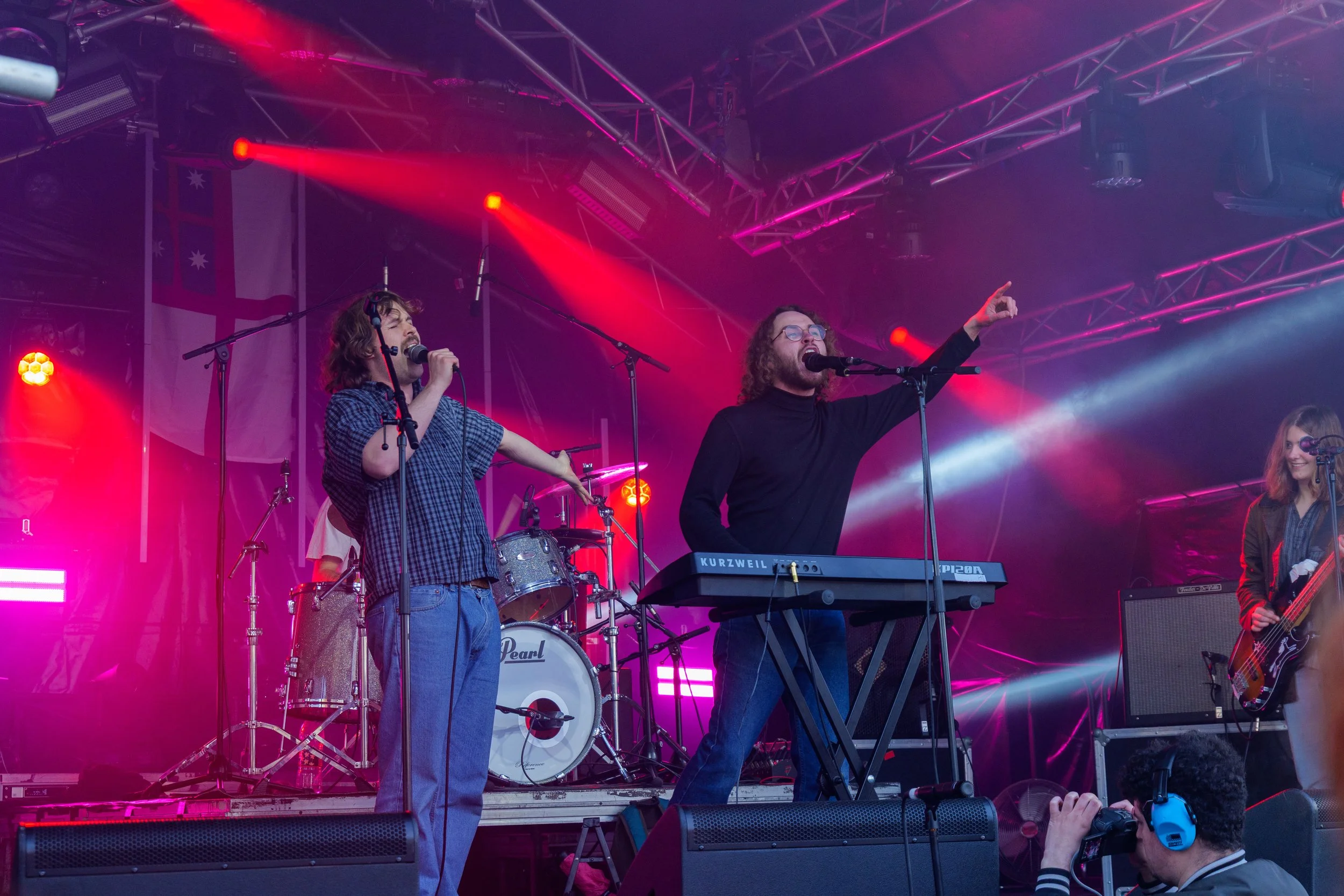
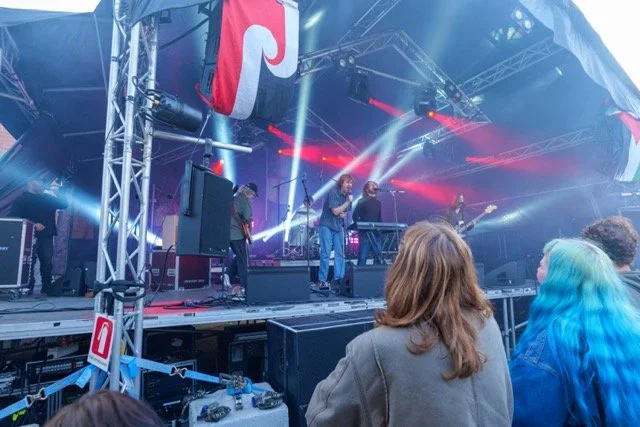
Performance after performance proved how insanely talented this young cohort is, and throughout it all was the call that, if you’re young and want your voice to be heard, you’ve got to be enrolled to vote because the number simply isn’t high enough.
So why was this? My next between-set brain teaser for attendees asked: why do a large portion of the youth seem disengaged with the political process as a whole? A recurring theme, particularly from younger attendees, was how pointless the process has been made to feel. “Because voting takes a collective effort, it feels like the individual doesn’t matter,” says Isaac, who also points to the extreme and ubiquitous nature of American politics as a potential exacerbator of this feeling, “...especially in America [it feels like] the vote doesn’t matter much and they’re like, the only two parties both suck, so even if we do vote we feel like it’s going to suck shit.”
Van highlights the parallel with our own system, “I think there’s a lack of inspiration, especially with the back and forth between the main two political parties. They mainly do the same thing as each other and so a lot of people don’t see a reason to vote because they’re not inspired by anything that’s being presented to them.” There was a sentiment amongst a lot of the people I spoke with that, politicians don’t care about the youth, they’re actively making it harder to vote, I voted last time and things are still generally fucked, so why bother? Though some people again took a different view on things. Malak, a 17-year old who wouldn’t be voting in this election, but was provisionally enrolled and ready to vote next go around, posited this: “I wouldn’t necessarily say the youth are disengaged, the way that politics are set up currently doesn’t attract young people in the way in should. A lot of politicians don’t consider young people when they speak. Many young people do care and they are engaged and they engage in their own ways such as coming to this music festival which I think is a brilliant idea to get young people involved in democracy and politics because music is something political, and music is something people care about, and music is something people bond over no matter their differences and I think it’s so cool to see people from all different backgrounds, ages, schools, university involved here. So I think the reason young people aren’t engaged is because politics often forgets young people, but if anything that engages us more to be more active and to be more involved so we ensure young people's voices are heard.”
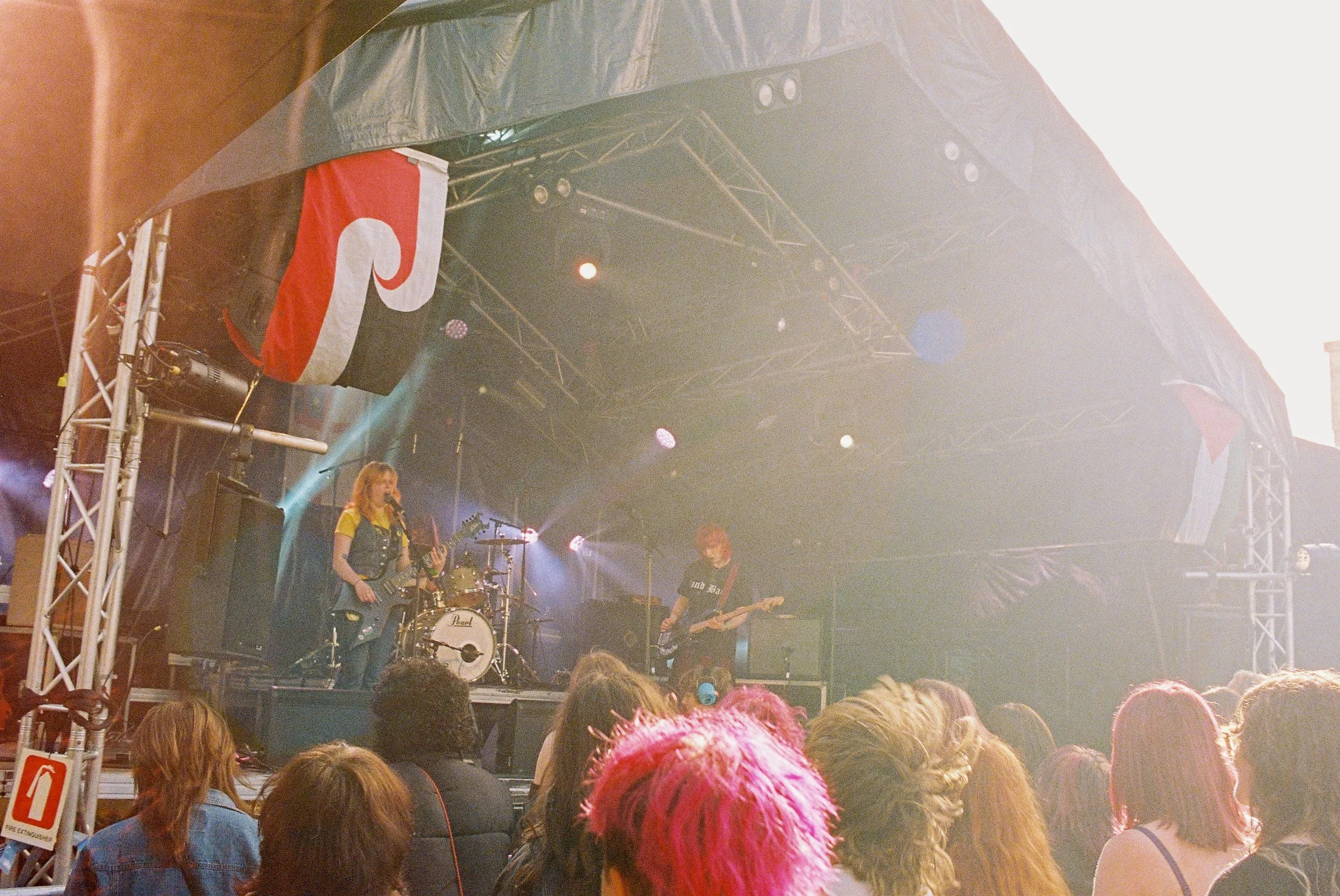
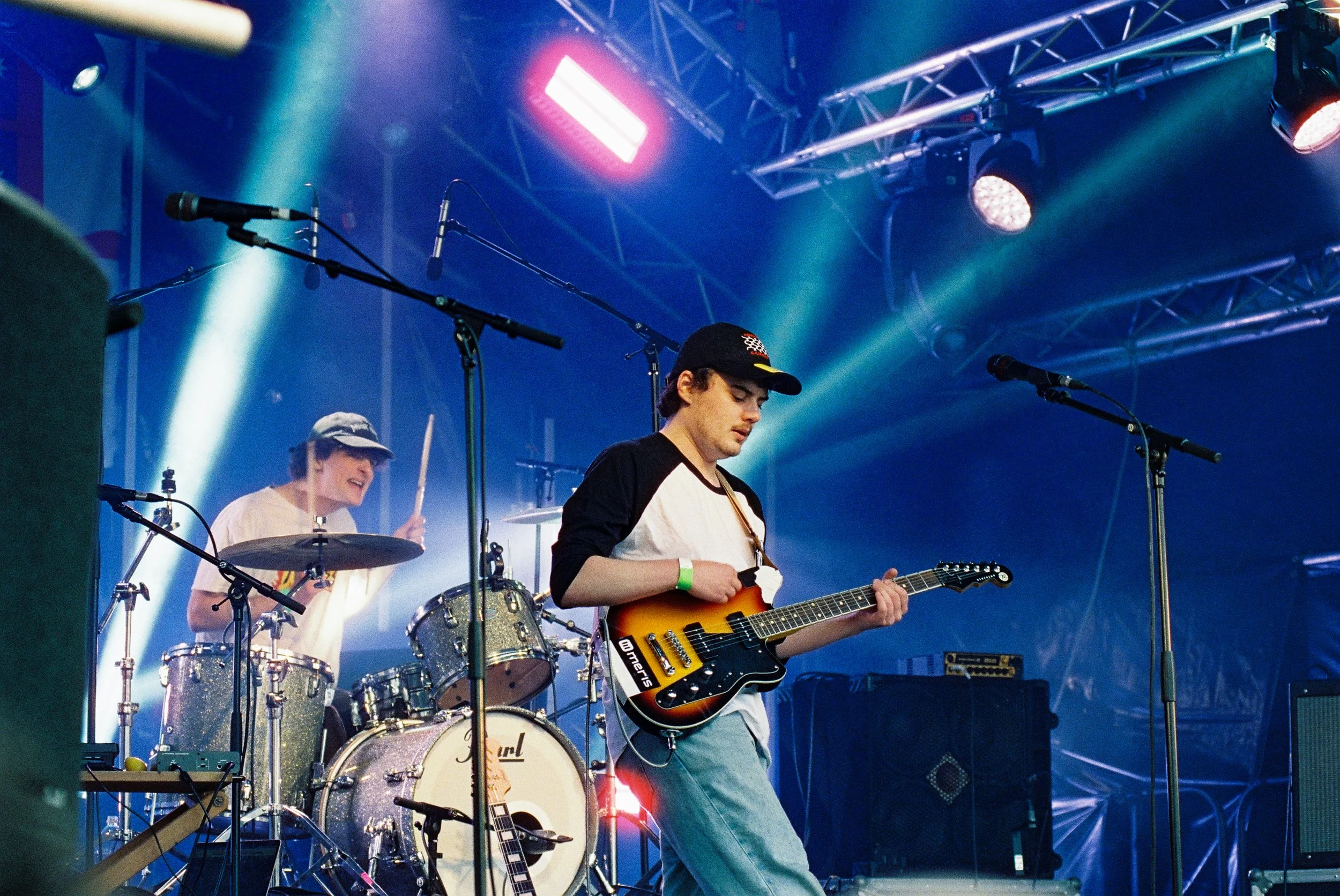
Whether or not there are some vocal, and in fact very engaged youth, the fact remains that the enrolment numbers are abysmal. Enrolment for 18-24 year olds is barely above 62% despite being the second-largest group, only second to those 70+. So what can we do to try to solve this issue? An obvious answer, said by almost everyone I spoke with at the all-ages event aimed at raising youth enrolment, was: “Put on more events like this.” Vagina Dry’s El says “[you’ve got to] show people the process isn’t scary, and that their voices do matter, and also just educating people on how to do it, and why it’s important.”
The importance of civic education was not overlooked by a large group of the attendees I spoke with though. Ethan, of Strap, gave some well-deserved credit, “It’s cool that we have bands that speak up about import issues here. If you want to get young people engaged, you have to have people talk to them who are relatable, instead of just the fuckin’ MP’s who aren’t really in touch y’know?” There were politicians present (though just the “good” ones), but thankfully they were resigned to their gazebos out in the main area and none of them were invited to take the stage, instead we heard straight from the voice of the future. Now these aren't career public speakers, there wasn't any media-trained gloss, the messages were raw and the messages were loud: Enrol to vote. Vote not just what’s going to be best for the majority in this country but vote for what will serve the underrepresented minority. Don’t vote for those who seek to oppress but vote for those who need it most. If you don’t vote, bad things WILL happen.
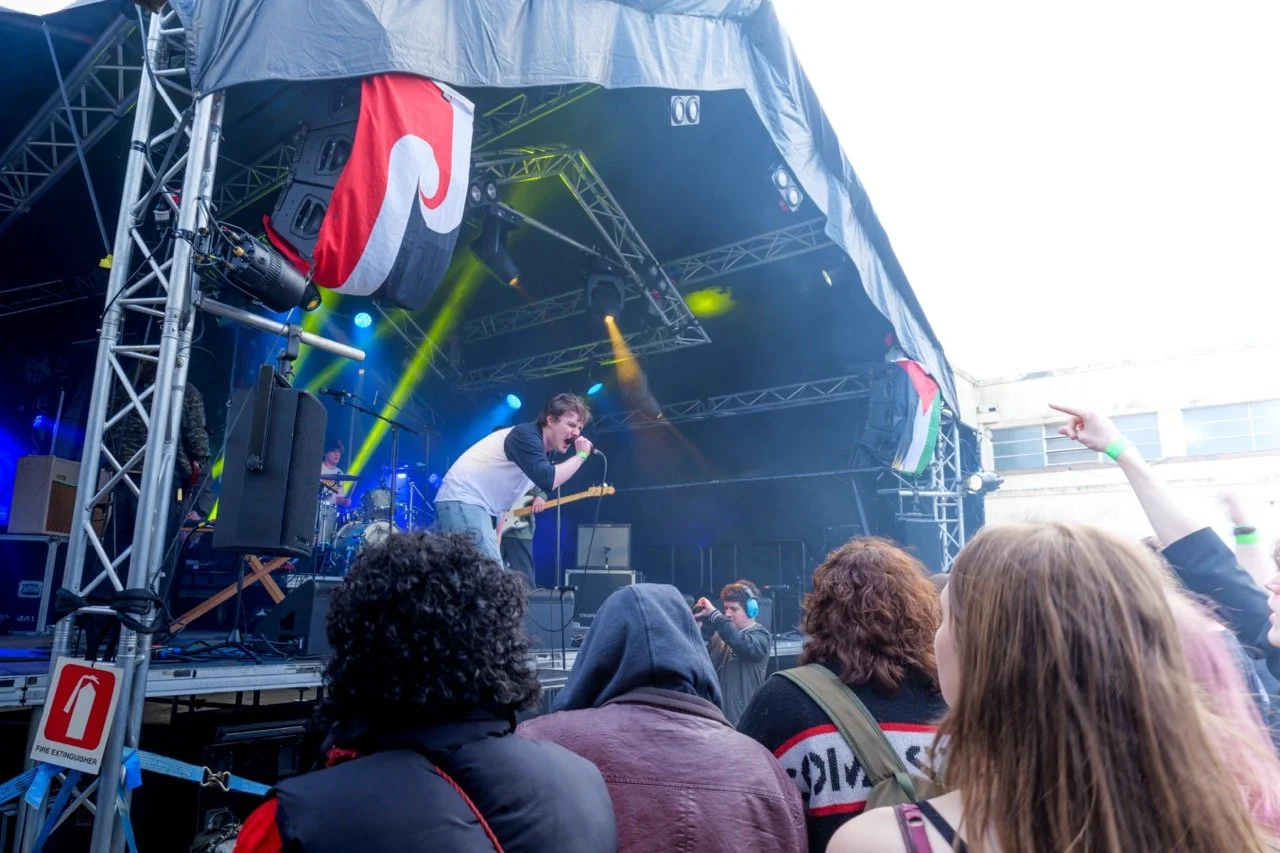
There wouldn’t be a more fitting thesis statement for the event than the speech given by Sivle Talk’s Tane Cotton, spoken not just to the crowd at Rock The Vote, but to everyone in Aotearoa who thinks about change and wants better for their fellow people:
“The modus operandi of our government is to divide and conquer. National, Act and NZ First stoke the flames of a bullshit culture war, turning the easily manipulated against the oppressed. Bigotry and hate has been designed, it has been constructed as a tool to distract us from our real problems. And now, reactionary liberal grandstanding is dividing the working class further. Every argument is filmed and posted on tik-tok, where anonymous commenters accept everything at face value and immediately post an emotional response. We don’t logically look at the nuance of situations anymore, and while we’re distracted and bickering about shit that’s ultimately meaningless, billionaires are raping the world, and they’re getting away with it because we’re not fuckin doing anything about it. We are cowards. So what do we do? We need to accept our responsibilities to the earth and to one another. We need to make the effort to do practical good for our communities, especially when it’s inconvenient. We need to kill our phone addictions and put them back in their place as a useful tool not a 24/7 dopamine drip. We need to work together. We need to make reasonable compromises. We need to focus on our real enemies. The second greatest threat to facism is love, the greatest threat to facism is effort.”
ENROL TO VOTE! OR update your details here!
All photos by Kieran Dodd (@kieran.j.dodd)