
The Beths Are Coming Round Again
Jamiema Lorimer chats with Liz Stokes ahead of their Japan and Aotearoa tour.
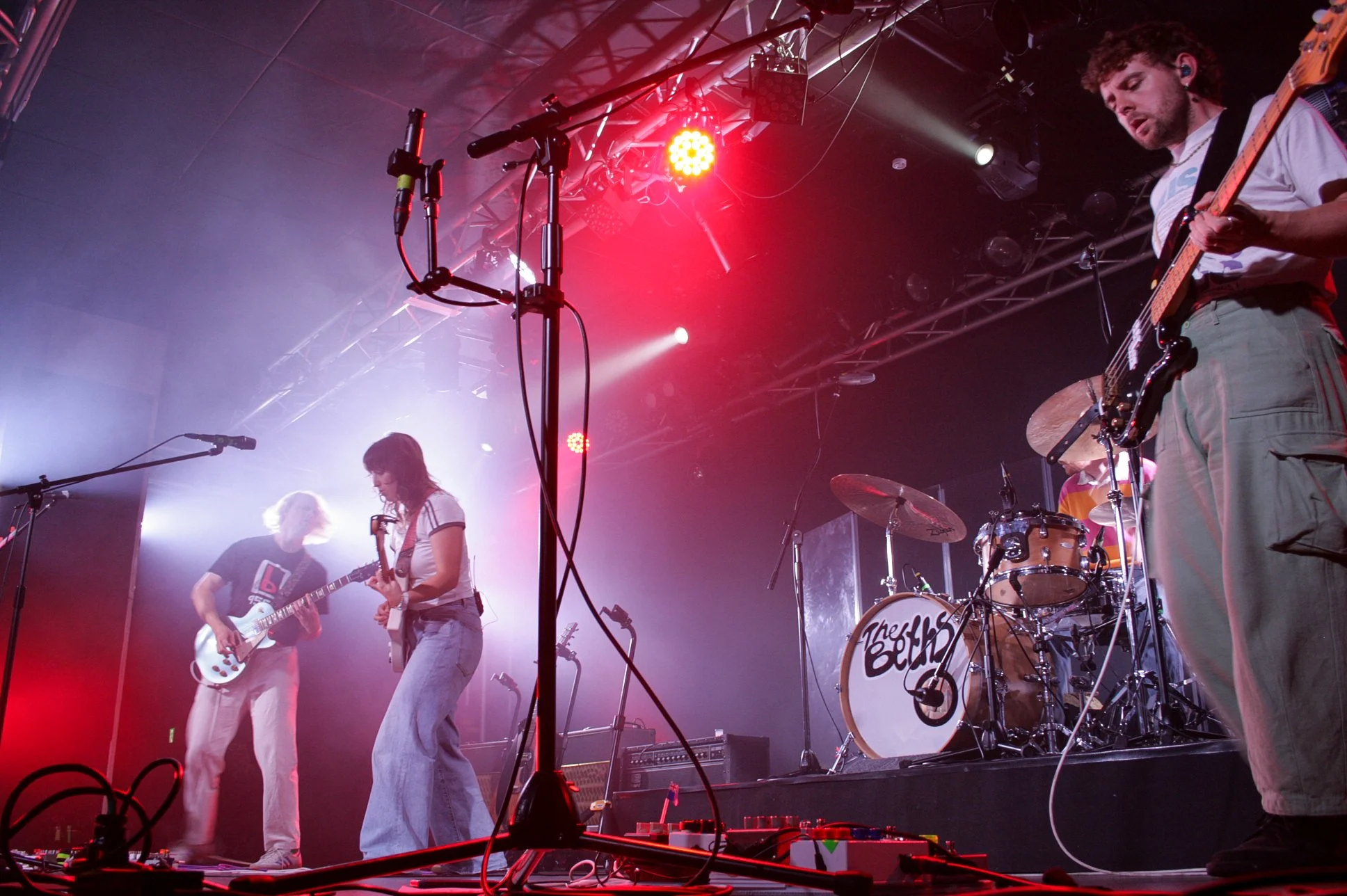
Photography by Jamiema Lorimer
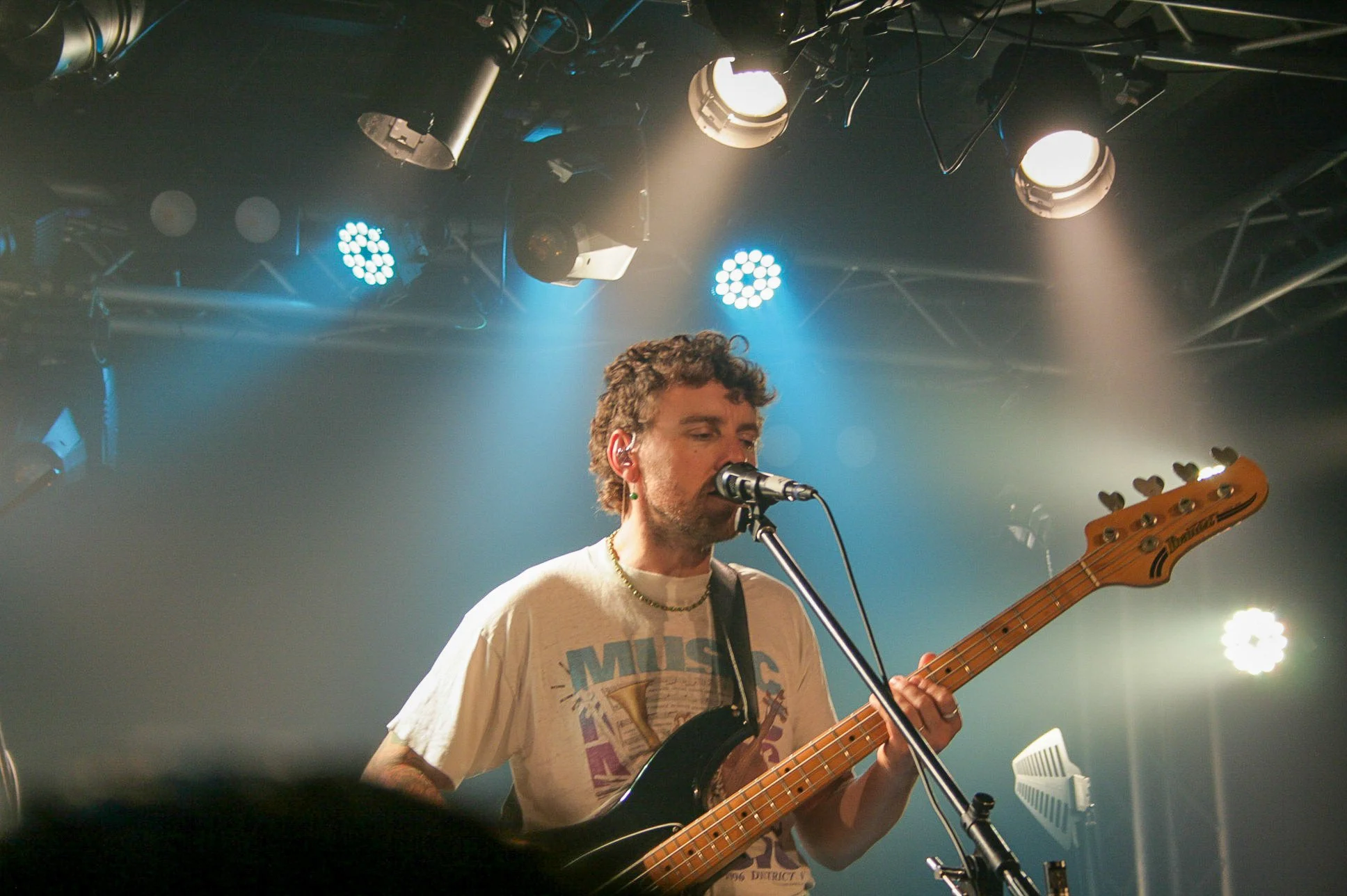
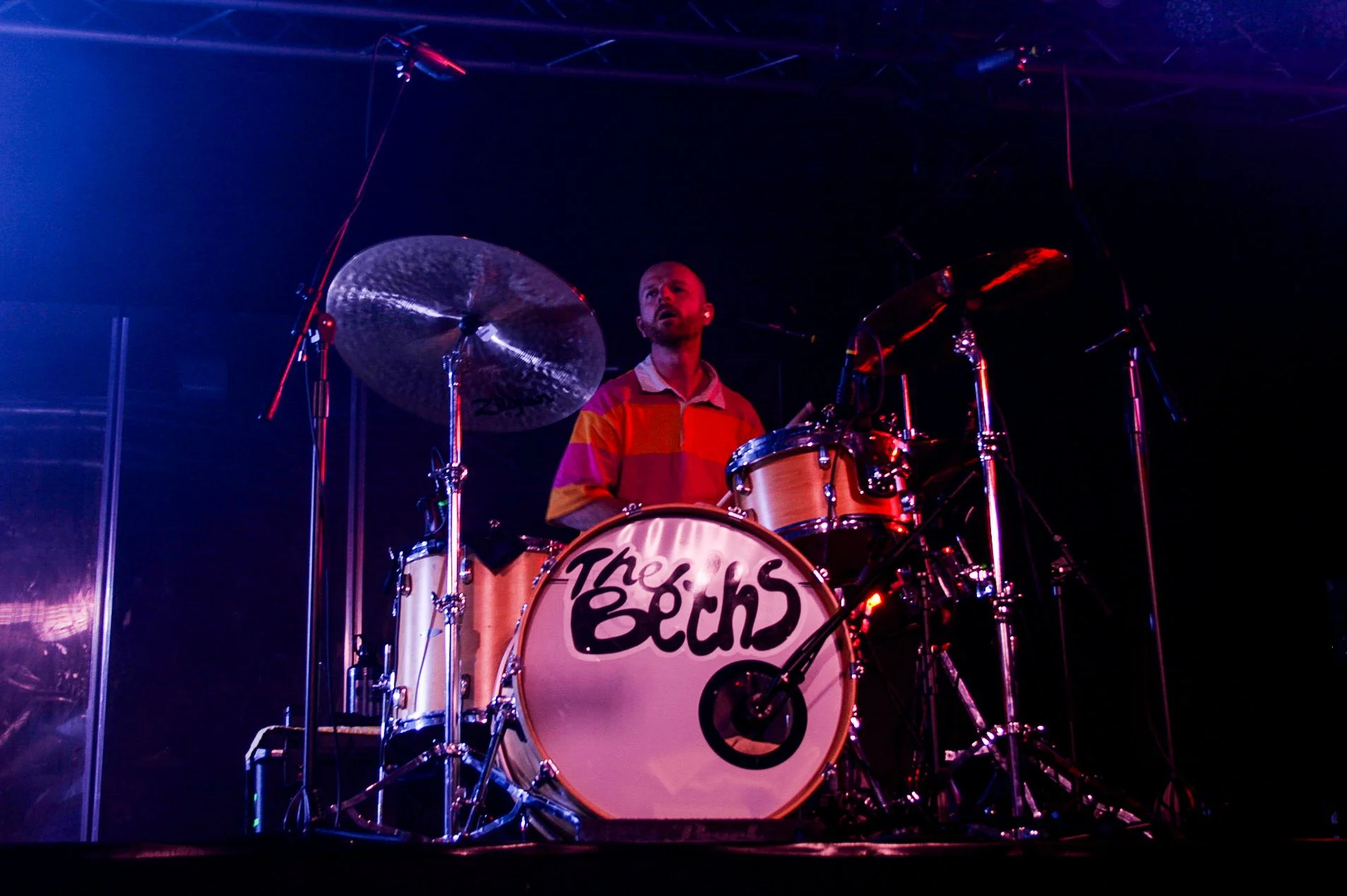
This month, The Beths are setting off on their Aotearoa run of shows for their latest album, Straight Line Was a Lie. Since the album’s release in August, The Beths have toured both Europe and the U.S., their biggest tour yet playing 70 shows. It’s the first time we’ve had to wait in line for the band to tour with their newest material. Their two preceding albums, Expert in a Dying Field and Jumprope Gazers, both debuted live to New Zealand audiences before anyone else.
“There’s something about when you play later in the album cycle,” Liz says. When Expert released in September of 2022, their Aotearoa tour kicked off just one week after the album’s release. Because of this, Liz wanted to bring Straight Line to our shores later in the tour cycle to give us a different experience with the album, giving us more time with the songs. She also reflects on her own listening habits, where despite best laid plans, months can go by before getting round to listening to something you’ve wanted to, and the element of chance. “People find your music through word of mouth and when it’s the right time. It’s nice to give a bit of time for that to happen.”
When it comes to international recognition, The Beths have been on a fast upward trajectory. In the last year, they’ve headlined their biggest venues, made their live late-night TV debut and been billed on some of the world’s most famous music festivals. These massive events have not desensitised The Beths to our much more humble crowds. “I think it is a bit more exciting, or nerve wracking, when you're playing to people who you know and who know you, or know who you are.” Liz explains that because overseas crowds are almost entirely strangers, the dynamic holds a lot more distance. In the absence of Aotearoa’s two degrees of separation between everyone, it makes a lot of sense. “We're not a persona band where we become completely different people on stage or anything like that, but you're still doing something.”
Kiwi sensibilities are also at play in Aotearoa, where tall poppy syndrome is so enmeshed with our own personal perceptions of ourselves. Though her songwriting throughout all Beths eras is unflinchingly aware of self-doubt, Liz has yet to elude this uniquely Kiwi flavour. “Especially in New Zealand whenever you’re doing something, and this is probably projecting, it feels like people are like: Huh. This person’s doing something.” Being their home scene, The Beths are looking forward to playing to audiences who have supported them across the years. “It's exciting. We have a super lovely and supportive music community. It makes you want to play your best, so that your friends can see you at your best.”
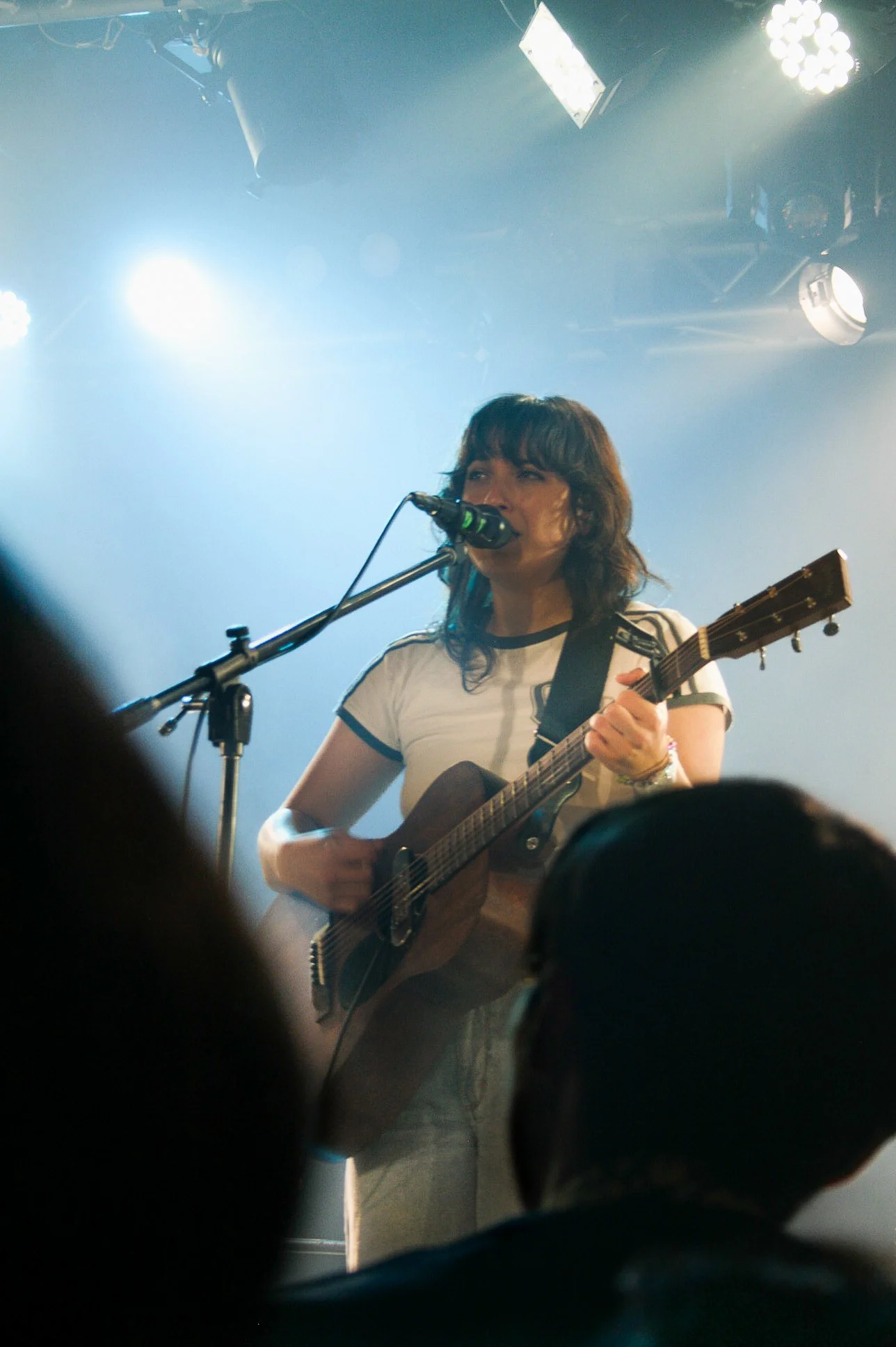
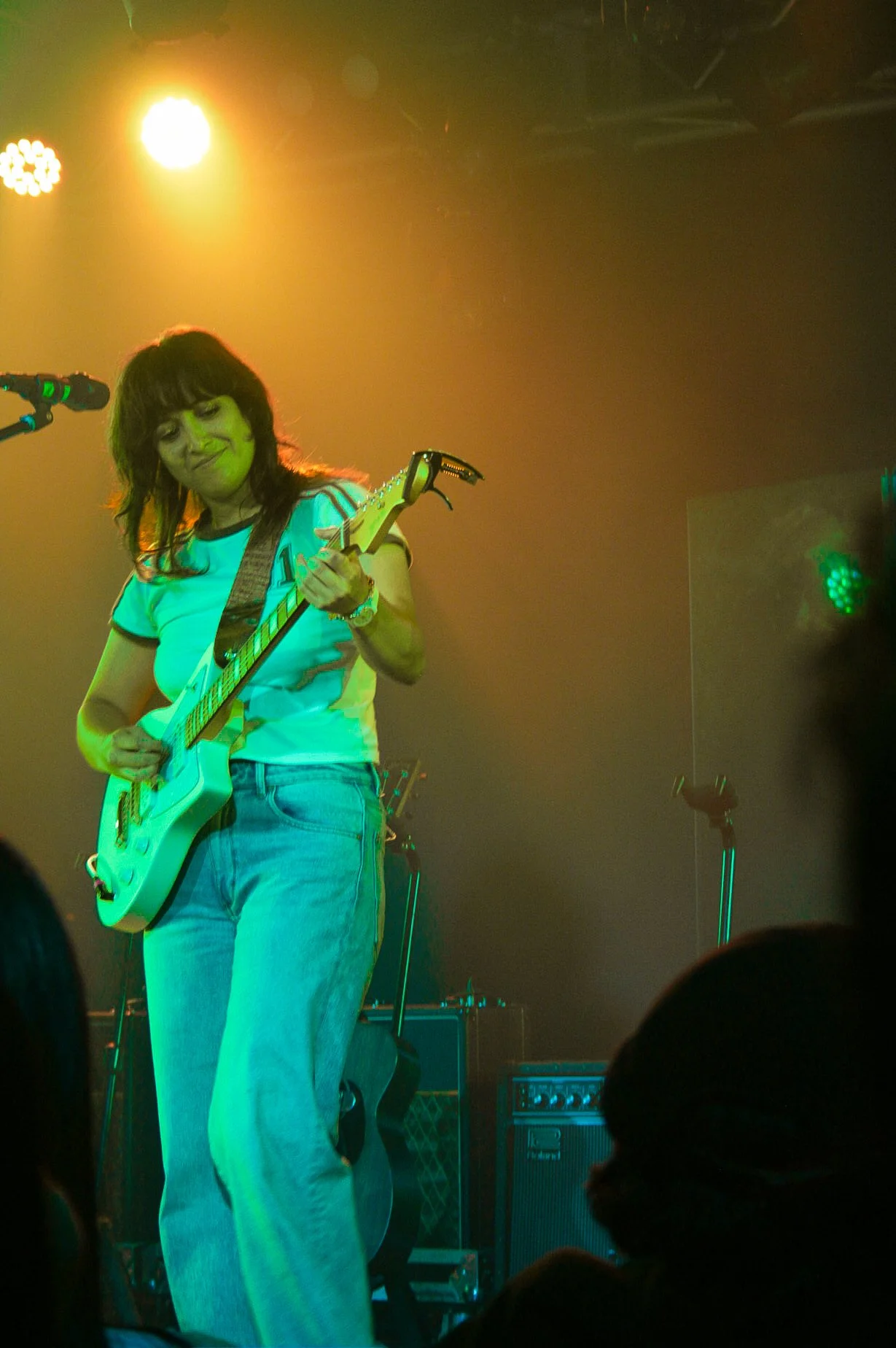
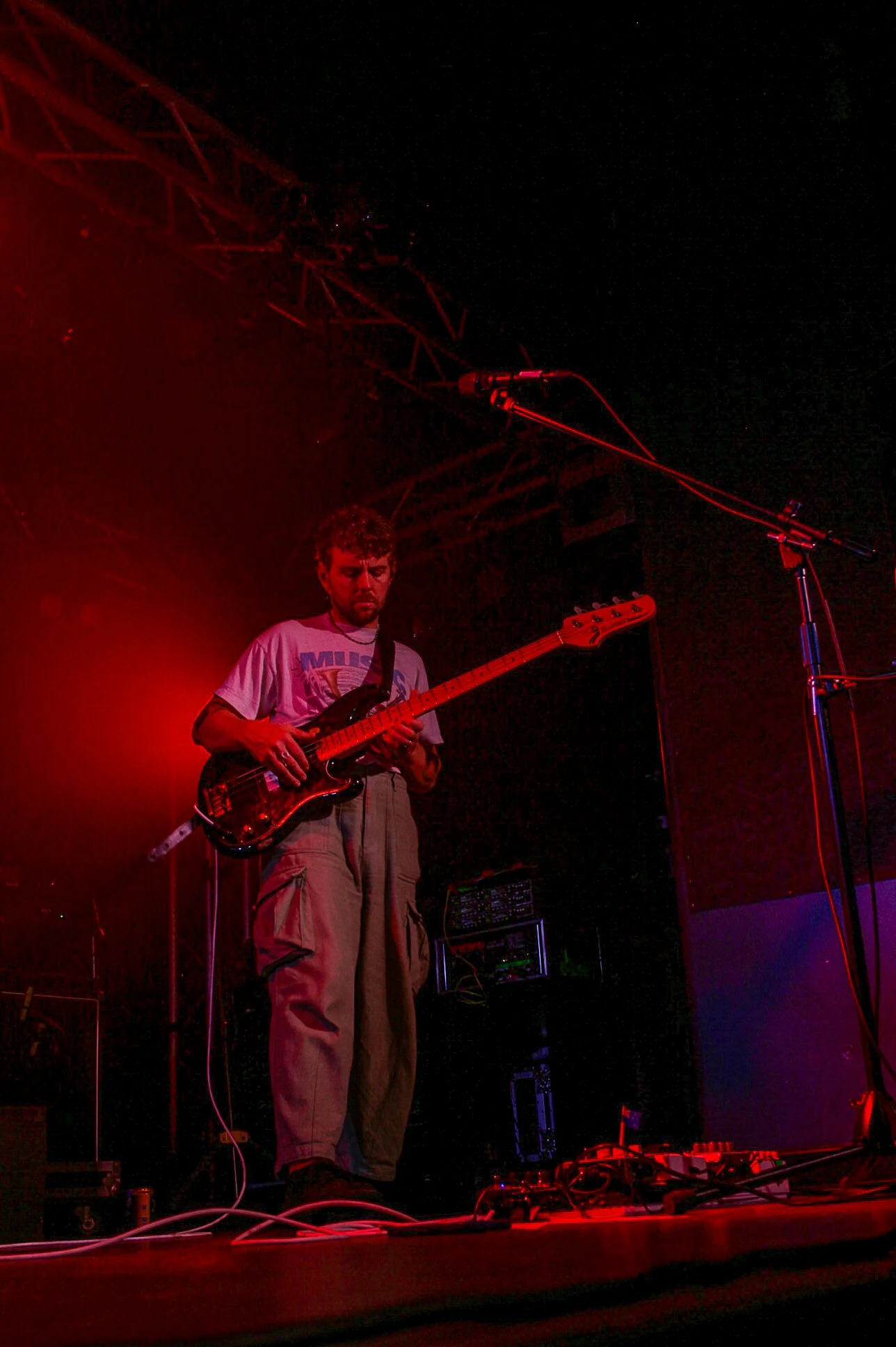
It’s not the first time Aotearoa has gotten to hear tracks from Straight Line is a Lie live. The album’s second track, ‘Mosquitos’, was first played live at the Hollywood Avondale in September 2024. It was the first of three shows at the venue, with the show delayed by 40 minutes as they dealt with PA failures. Liz recalls the night as catastrophic and was incredibly relieved that people stayed till the end despite the delays. For the encore, Liz performed ‘Mosquitos’ solo. The song is an ode to Oakley Creek, a pandemic haunt for Liz and many Aucklanders, that was destroyed in 2023. “It was a lot closer to when the Auckland Anniversary floods happened. [With the Hollywood] being just down the road from Oakley Creek, it felt right to play it there for the first time.” In bringing Straight Line home, Liz says there’s an added appropriateness in playing this song where it’s more part of the public consciousness.
What Liz tells us in ‘Mosquitos’ is that living things, whether us or the Earth, are not fixed or stable but will inevitably face transformative change. Though the Auckland floods were an event outside itself, it was Oakley Creek that became the raging sea that wreaked damage on itself. Like Oakley Creek having a hand in destroying itself, despite our human want to face change for the better, change brings its own set of challenges.
Straight Line as an album confronts the elusiveness of personal growth. “Linear progression is an illusion. What life really is is maintenance. And finding meaning in the maintenance.” The cyclical title track sums this up entirely. It is two almost identical halves, and as it enters its second lap Liz confesses: ‘I don’t know/ if I can go/ around again’. Although the futility of getting better is put front and centre in the song and the album, it is in its recognition that the ability to carry on is found. With the song opening the album, it anchors the rest of the material, reassuring listeners that no matter where the songwriting goes, Liz has the resolution already. That this clarity will eventually circle back.
Liz is no stranger to letting listeners in on her own struggles with mental health. In this way Straight Line treads similar ground to its predecessor album, Expert in a Dying Field. “It makes sense that they feel connected,” Liz says. “They come out of the same brain. They feel like a longer part of the same journey.” She places Expert at the start of that journey. It was in the exercise of talking to the press, which Liz describes as “a funny reverse book report”, that she realised just how heavy the emotional weight of what informed that album had been on her. “I remember looking at the songs, the lyrics, everything, in Expert in a Dying Field and going: Oh, I think I need some help. I think I’m not happy. Or maybe I don’t like myself very much. Maybe there’s something to unpack here.”
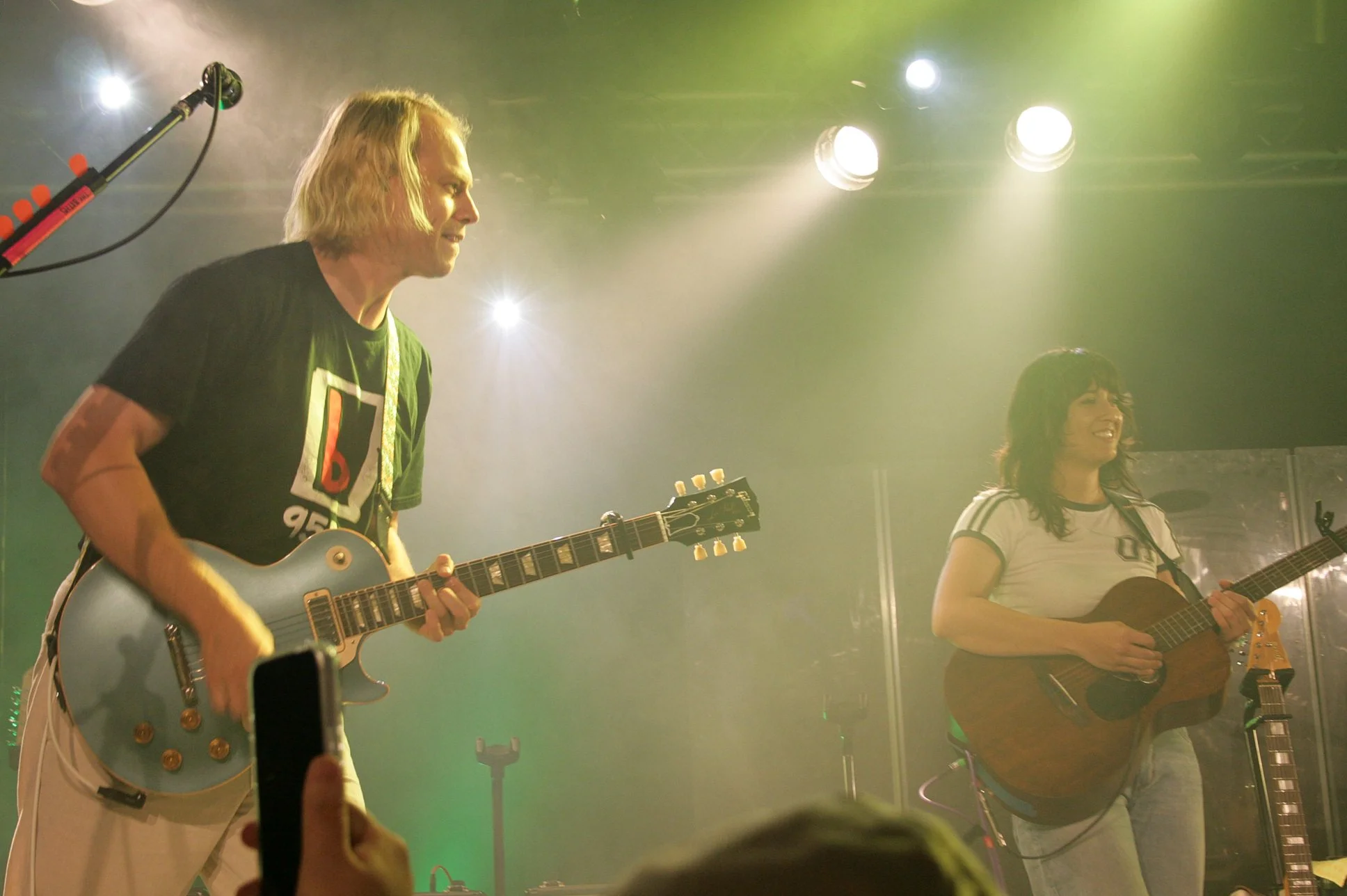
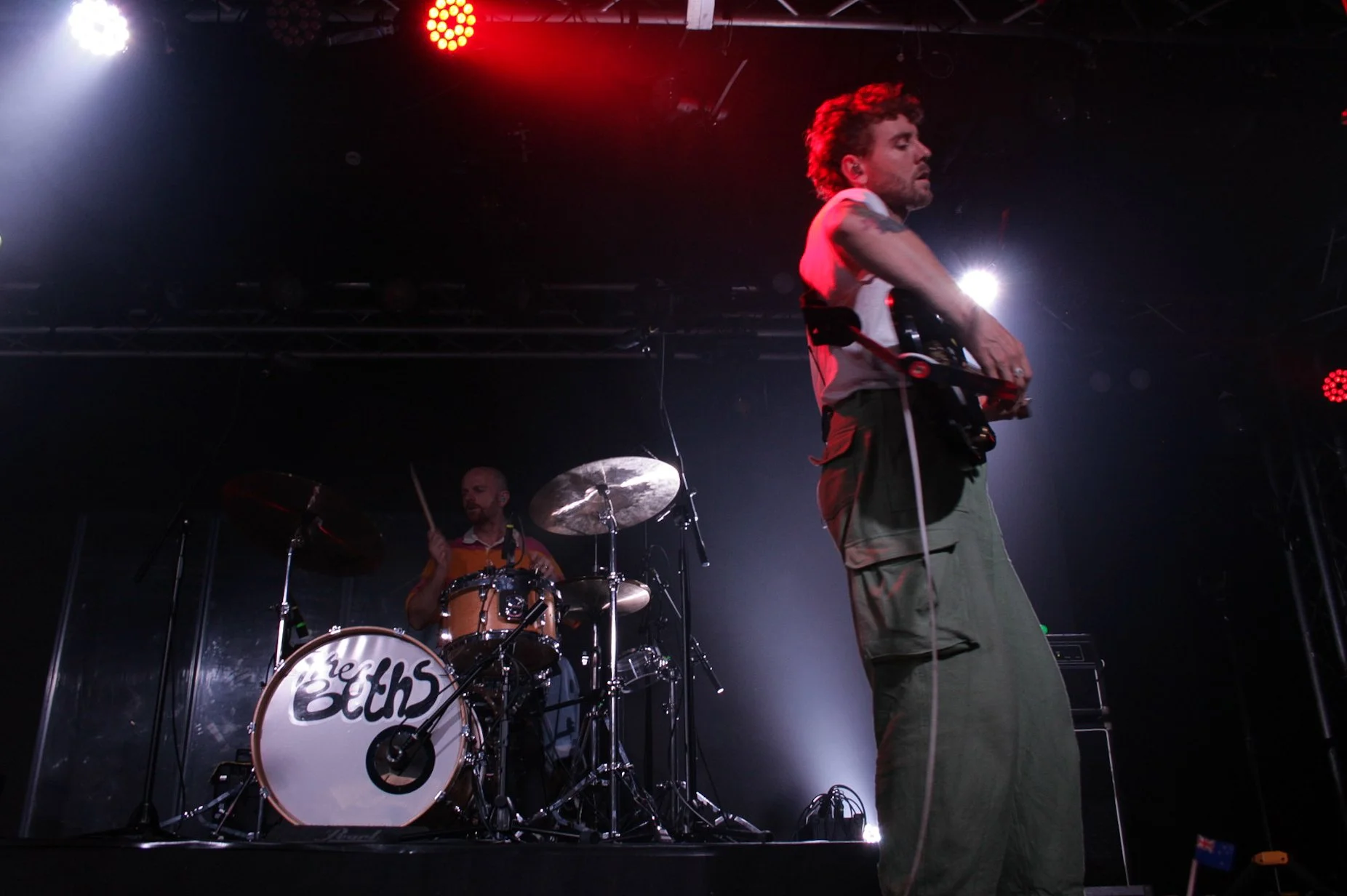
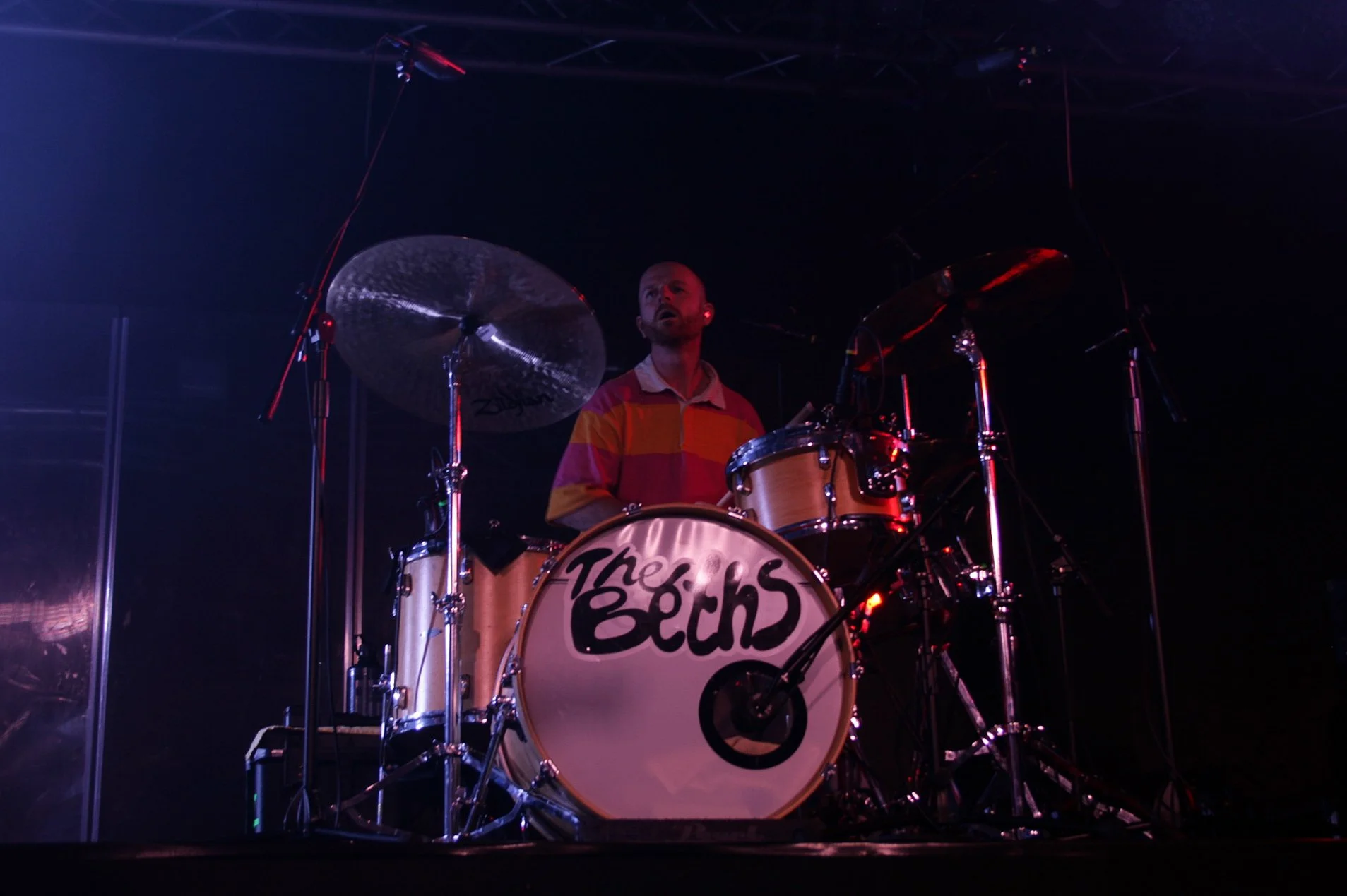
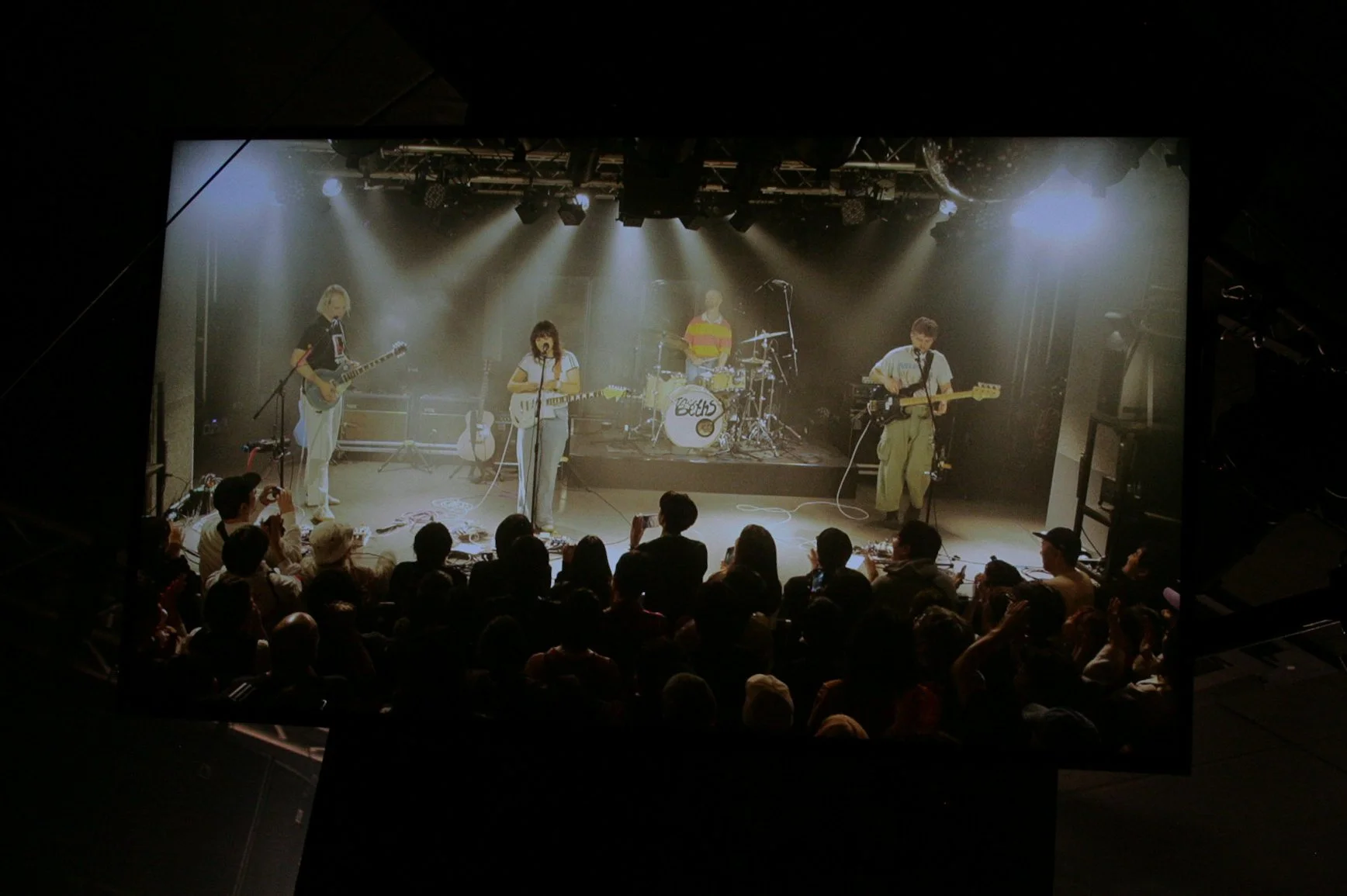
Three years ago I was one of these press people chatting to Liz about Expert, writing for Ōtepoti’s student mag, Critic Te Ārohi. In response to what feelings informed the album, Liz said it was hard to remember when so much time had passed between writing the songs and releasing them. Her analysis was that Expert was about “coping and the people who help you cope.” If Expert is about getting through hard times relying on the strength of people around you, then perhaps Straight Line is about getting through betting on the strength within yourself. The path between these two albums was fittingly more deceptive.
Revelations in Liz’s health after Expert are what came to form our introduction to Straight Line Was a Lie. The album’s first single, ‘Metal’, released in April of last year is her marvel at the human body, not only working within itself, but with the world around us to keep us alive. Liz’s cognisance came with her diagnosis of Graves’ disease, an autoimmune disorder that causes the over-production of thyroid hormone. Liz also began managing her mental health more seriously, starting therapy and SSRIs to treat her anxiety and depression. Straight Line’s second single, ‘No Joy’, details the anhedonia brought on by the SSRIs that were at once bringing relief in allowing her to function in routine-forming and relationships but numbing her out emotionally. “It’s not just a problem that I can solve straight away. Or even over a long time. It’s an ongoing maintenance issue.”
As a result of the SSRIs, Liz was in a state of writer’s block at the time it came to write Straight Line. In order to overcome this writer’s block Liz and Jonathan concocted a “big method”, and aided by a typewriter from bassist Ben, they set off on a writers retreat in Los Angeles. In the past, Liz would spend her spare time sifting through songwriting fragments until something would spark an idea. Liz would this time start each day by typewriting ten pages, often stream of consciousness. “I was really pulling stuff from my memories and trying to ask myself hard questions.” When she’d finish a song, she wouldn’t show it to anyone for six weeks and start on the next. “I had a lot of time to just think about the songs, much earlier in the process than I normally do. I don’t know if that affected the way the album came out, where it feels a bit more…there’s a lot of self-examination.”


‘Mother Pray For Me’, the album’s fifth track, is one of these songs. The song is a direct address from Liz to her mother. She sings heartfeltly from one side of the gulf of understanding that separates children and parents who do not share the same first language or cultural identity. Lines like “I don’t know the tongue in which you dream” and “I can never know what you’ve seen” carefully paint the differences in their life experiences, while also acknowledging their divide that although Liz may never understand, Liz sees her mother on the other side and wishes to bridge that. No line in the song cuts as deeply to the heart of the matter as “I would like to know you/ And I want you to know me/ Do we still have time / Can we try? / Mother pray for me.”
It’s the first Beths song that Liz has gone on the literal record about her cultural identity. Liz is half Indonesian on her mum’s side and half New Zealand Pākehā on her dad’s side. She was born in Jakarta and moved to Tāmaki Makaurau when she was four. We laugh about how strange it feels articulating this in your music and to the press even though it is something that has always been.“It feels like coming out and you’re like: This, this is not the same thing!” Still, she was nervous in choosing this song for the record. “I never want to feel like I’m in a situation where I’m speaking for anybody else because everybody’s experience is so different. And with my particular experience being the fact I’m pretty white presenting, it feels a bit like stolen valour, or something, to be shouting from the rooftops.”
Liz’s relationship with her mother is so introspective because it is her connection to her Indonesian heritage. “It’s through my mum that I experience everything,” she says. She describes her relationship with her mother as a moving target. Having grown up in Aotearoa, Liz feels she does not have as strong a connection to her Indonesian heritage. “I know that’s not an uncommon experience. But I know it’s not everybody’s experience.” Speaking to The Guardian, she said about the song: “It’s confusing - I’ve written this thing about what I’m feeling, but It’s made what I’m feeling able to be understood by people like me, rather than people like my mum.”
In November 2023, The Beths played Jakarta’s indie rock Joyland Festival. They’d like to return. Before this show Liz learnt some Bahasa, the national language of Indonesia, and practiced speaking it with her mum. “It’s very special to be able to go on stage and speak to people in the language and say: I was born here and it’s nice to be back. To feel welcomed in a way that was really affirming and nice.” Through food, language and travelling there as family, Liz is doing what she can to connect with her Indonesian identity more. Similarly to the theme of Straight Line, effort and intention does not always close the distance. “But it still feels like you’re connecting [with it], coming at it, from the outside.”
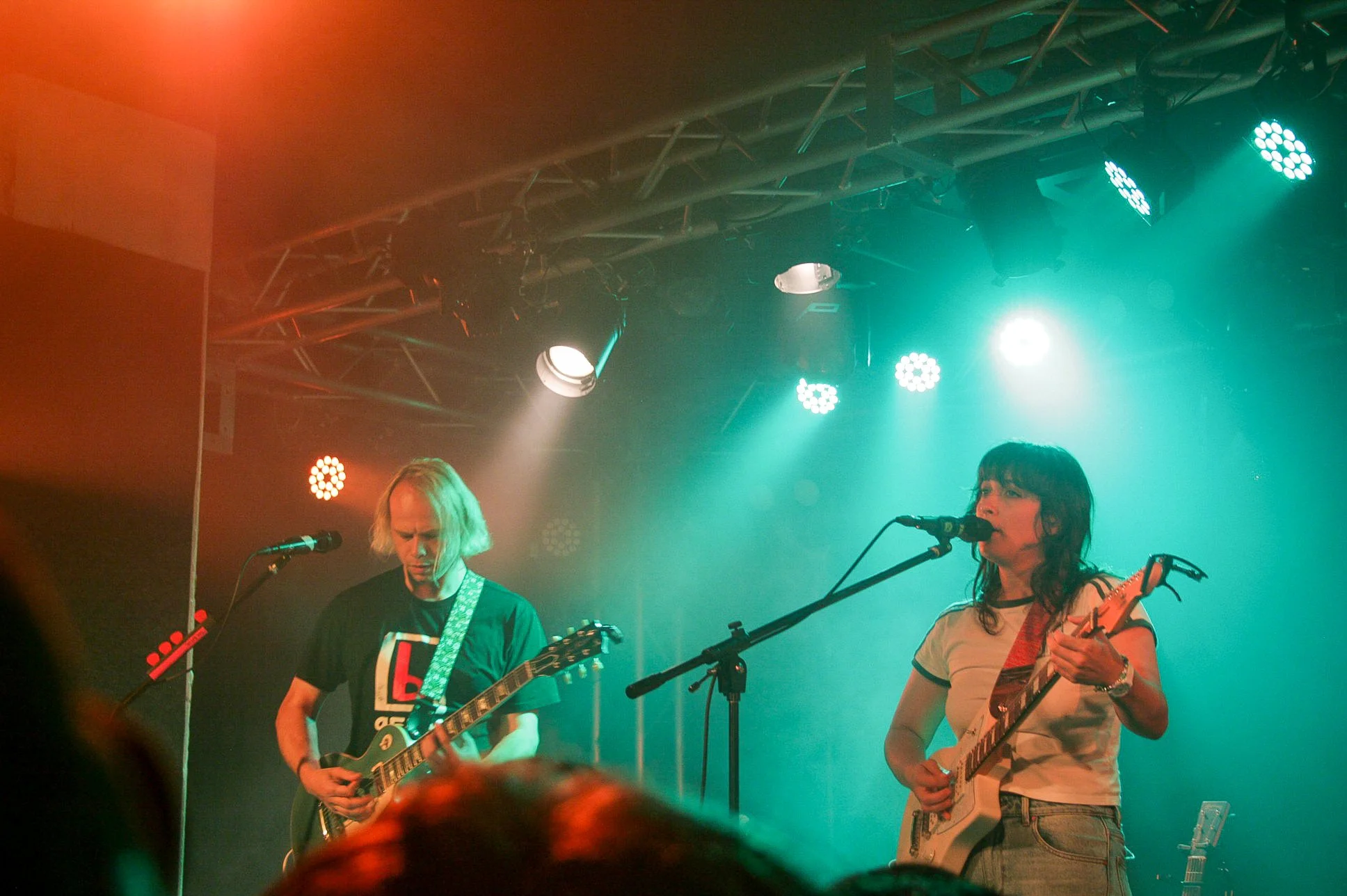
For now, The Beths are on summer holiday leading up to their Aotearoa tour. With her break, Liz has been learning a new song cover everyday, echoing back to when she was first learning to play guitar. “Once I started writing my own songs, it’s like I stopped learning other people’s songs. But I think there’s a real value in learning a bunch of songs, especially really good songs, and dissecting them a bit and trying to figure out what they do and how they’re doing it.” In her repertoire she’s learnt some Aotearoa songs, ‘A Thing Well Made’ by The Mutton Birds and ‘Carriages’ by Tiny Ruins. There’s a big contrast between the threatening feeling of ‘A Thing Well Made’ and the magical and floating style of Tiny Ruins. “It's nice to learn how to play them. And I feel like I'm learning something every time I do.”
Like the big method Straight Line was written in, Liz’s daily approach to song covers is a way of keeping to a process. I ask whether this big method is something The Beths are considering doing again for their next album, or is it too soon to even be thinking about the next album. Liz says it’s not too soon. “There is a bit more of an open creative space where I am like: Okay, do I want to do that again?” Although Liz admits it was taxing to draw everything out in this way, having the process was crucial. “Whatever the process for the next album will be, there'll be some kind of structure, but it might not be exactly the same.”
The Beths set off on their Aotearoa tour starting next week. They play Wellington, Dunedin, Christchurch, Nelson, Auckland, and Kerikeri. With a big year ahead for The Beths with an extensive run of overseas shows, there’s no doubt this Aotearoa run will be a cathartic reset of the clock.
Thanks to Liz and The Beths for taking the time to chat with us!
Friday 13 & Saturday 14 March - WELLINGTON - Meow Nui
Friday 20 March - DUNEDIN - Glenroy Auditorium
Sunday 22 March - CHRISTCHURCH - James Hay
Monday 23 March - NELSON - Theatre Royal
Thursday 26 & Friday 27 March - AUCKLAND - Powerstation
Saturday 28 March - KERIKERI - Turner Centre
You can find tickets for the shows HERE.